
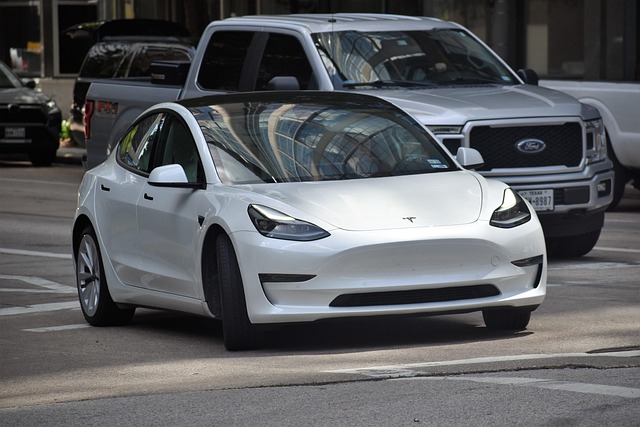
Select Electric Trucks represent a significant step towards sustainable transportation, offering zero-emission alternatives to diesel engines. Key advantages include improved performance, cost savings, and reduced environmental impact. Despite initial higher costs, operational efficiencies and government incentives make them financially viable. Technological advancements in battery technology and charging infrastructure continue to enhance their range and usability. The global shift is accelerated by stringent emissions standards and financial incentives, with Select Electric Trucks gaining traction in North America, Europe, and beyond. Key considerations for fleet operators include vehicle range, charging infrastructure, payload capacity, and battery technology. Major manufacturers offer diverse options tailored to specific needs, aligning technological capabilities with operational requirements for a greener transportation future.
The transportation sector faces a pivotal moment as the world grapples with climate change. Heavy-duty trucks, long a significant contributor to greenhouse gas emissions, demand innovative solutions. The shift towards zero-emission vehicles is not just an environmental imperative but a strategic necessity for the future of trucking. This article delves into the critical need for cleaner, more sustainable heavy-duty trucks and explores how Select Electric Trucks offer a promising path forward. By examining cutting-edge technologies and real-world applications, we aim to equip stakeholders with insights to navigate this transformative landscape.
- Understanding Zero-Emission Trucks: The Basics
- Benefits: Environmental Impact & Cost Savings
- Technology: Electric Powertrains and Range
- Challenges: Infrastructure and Battery Life
- Regulatory Landscape: Global Push for Adoption
- Selecting Electric Trucks: Key Factors to Consider
Understanding Zero-Emission Trucks: The Basics

Zero-emission heavy-duty trucks represent a significant leap forward in sustainable transportation, offering a viable alternative to conventional diesel engines. Understanding these vehicles involves grasping the fundamentals of electric battery range, state-of-the-art electric vehicle (EV) technology, and exploring alternative fuel sources tailored for trucking operations.
At the heart of zero-emission trucks lies electricity, powered by advanced batteries that store energy for propulsion. These batteries come in various types, with lithium-ion being the most prevalent due to its high energy density. Range, a critical factor, has improved dramatically over the years, with modern electric trucks capable of traversing 200-300 miles on a single charge—on par with many conventional trucks. This advancement is driven by relentless innovation in battery technology, leading to longer durations and faster charging times.
When considering select electric trucks, it’s crucial to look beyond range and evaluate overall performance, including power output, payload capacity, and recharging infrastructure. For instance, companies like Tesla offer heavy-duty electric trucks designed for long hauls, while other manufacturers provide smaller, specialized models tailored for local delivery operations. Furthermore, exploring alternative fuel sources is essential for regions with limited access to charging networks. Fuel cells powered by hydrogen, for example, present another zero-emission option, offering rapid refueling times comparable to traditional fueling stations.
Ultimately, the transition to zero-emission trucks is not just about environmental stewardship but also economic viability and operational efficiency. As EV technology continues to mature, we can expect further advancements in range, performance, and affordability, making these vehicles an increasingly attractive and practical choice for the trucking industry.
Benefits: Environmental Impact & Cost Savings
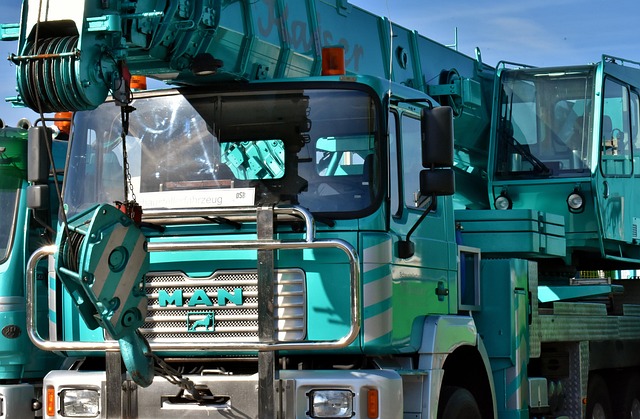
The shift towards zero-emission heavy-duty trucks is not just a trend but a necessary step towards mitigating environmental degradation caused by the transportation sector. One of the most significant benefits of adopting Select Electric Trucks lies in their profound impact on reducing carbon emissions. Traditional diesel-powered vehicles contribute to air pollution and greenhouse gas emissions, exacerbating climate change. In contrast, electric battery-powered trucks offer a cleaner alternative, with zero tailpipe emissions during operation. This transition is particularly crucial for urban areas where congestion and pollution are prevalent.
Cost savings are another compelling factor driving the adoption of electric heavy-duty vehicles. While upfront costs for purchasing state-of-the-art electric vehicles may be higher, operational expenses are significantly reduced compared to traditional trucks. Electric batteries, though a substantial investment, have seen considerable advancements in technology and range. Modern electric trucks offer competitive electric battery range comparisons with their diesel counterparts, enabling longer journeys without frequent recharging. For instance, leading manufacturers like Tesla and Freightliner have introduced semi-trucks capable of traversing up to 500 miles on a single charge, rivaling the ranges of conventional fuel-driven vehicles.
Moreover, the operational savings extend beyond fuel costs. Electric trucks require less maintenance due to their simplified drivetrains, reducing labor expenses. Additionally, governments worldwide are incentivizing the adoption of zero-emission vehicles through tax credits and rebates, further offsetting initial investment. The long-term benefits of reduced emissions and lower operating costs make electric heavy-duty trucks a practical and sustainable choice for businesses. As technology evolves, with advancements in solar-powered semi-trucks, for example, the environmental footprint of transportation could be significantly minimized, paving the way for a greener future.
Technology: Electric Powertrains and Range
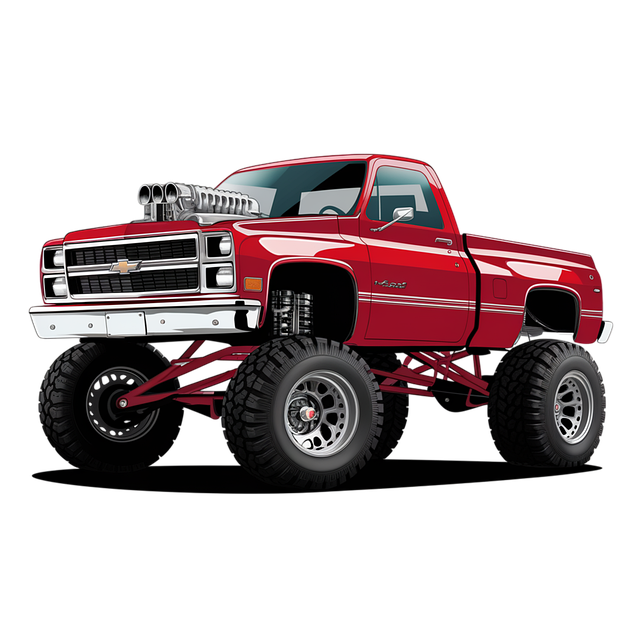
The future of heavy-duty transportation is undergoing a quiet revolution as electric powertrains emerge as a powerful alternative to traditional diesel engines. At the forefront of this transition are zero-emission heavy-duty trucks, designed to tackle the formidable challenges posed by long-haul logistics and construction sectors. These vehicles represent a significant leap forward in technology, offering not just environmental benefits but also enhanced performance and cost savings for operators.
Electric trucks for construction and light-duty electric rigs have already made notable strides, demonstrating their viability across various applications. For instance, leading automotive manufacturers have introduced fully electric heavy-duty semitrucks capable of traversing extensive distances with impressive ranges. These vehicles leverage advanced battery technology, such as lithium-ion batteries, to deliver ample energy storage while maintaining lightweight construction—a critical factor for maximizing efficiency and reducing carbon emissions. Range anxiety, a common concern among early electric vehicle adopters, is being addressed through innovative charging infrastructure and improved battery management systems.
When selecting electric trucks, operators should consider factors beyond the initial cost. While the upfront investment in zero-emission heavy-duty trucks may be higher, operational savings can be substantial over the long term. Electric powertrains offer lower maintenance requirements compared to internal combustion engines, reducing downtime and labor costs. Furthermore, governments worldwide are implementing incentives and subsidies to encourage the adoption of electric vehicles, making them a more financially attractive option for businesses. As technology advances, the range of these trucks continues to expand, allowing for longer journeys without compromise. This progress paves the way for a greener, more sustainable future in the transportation industry.
Challenges: Infrastructure and Battery Life

The transition to zero-emission heavy-duty trucks presents both significant opportunities and formidable challenges for the logistics industry. As the demand for sustainable transportation networks grows, adopting electric vehicles (EVs), particularly e-trucks, is increasingly essential for reducing greenhouse gas emissions and mitigating environmental impact. However, realizing the full potential of electric trucks hinges on overcoming critical barriers, with infrastructure development and battery life being among the most pressing issues.
One of the primary hurdles is the lack of widespread e-truck charging stations, which hinders long-distance travel and operational efficiency. Currently, the network of charging facilities for heavy-duty EVs lags behind that of conventional fuel stations, causing concerns among fleet operators regarding range anxiety—the fear that vehicles won’t have sufficient battery life to complete their routes. To address this challenge, strategic investments in robust e-truck charging infrastructure are imperative. Governments and private entities alike must collaborate to deploy charging stations along primary transportation corridors, in parking lots, and at rest areas to facilitate the adoption of electric trucks. For instance, some countries have initiated pilot projects, such as establishing fast-charging networks specifically designed for heavy-duty EVs, which demonstrate promising steps toward creating a seamless ecosystem for sustainable logistics options.
Additionally, advancements in battery technology are crucial to enhancing the operational range and longevity of zero-emission trucks. Battery life plays a pivotal role in shaping the viability of e-trucks for various applications. Currently, lithium-ion batteries power most electric vehicles, but they face limitations in terms of energy density and degradation over time. Researchers and manufacturers are actively working on developing next-generation batteries with higher energy capacity, faster charging times, and improved cycle life. For instance, solid-state batteries promise to offer superior performance, safety, and longer durability compared to traditional lithium-ion alternatives. As these technologies mature, they will not only extend the range of electric trucks but also reduce maintenance costs and increase their overall competitiveness in the market.
Regulatory Landscape: Global Push for Adoption

The global push for the adoption of zero-emission heavy-duty trucks is gaining momentum, driven by a regulatory landscape that increasingly prioritizes sustainable transportation networks. Governments worldwide are implementing stringent emissions standards and offering electric truck tax incentives to encourage the transition from conventional diesel vehicles. This shift is not only about reducing harmful pollutants but also addressing the urgent need to mitigate climate change.
The European Union, for instance, has set ambitious targets to phase out internal combustion engine (ICE) vehicles by 2050, with a significant focus on heavy-duty sectors. Similarly, in North America, the U.S. Environmental Protection Agency (EPA) and Transport Canada have introduced stricter emission regulations, pushing manufacturers to develop more efficient and cleaner technologies. These regulatory measures are coupled with substantial financial incentives, such as tax credits and grants, to accelerate the market penetration of select electric trucks. Countries like the United States, Canada, and several European nations have already witnessed a surge in electric truck sales due to these supportive policies.
Beyond environmental benefits, the transition to zero-emission heavy-duty trucks offers economic advantages. Electric vehicles (EVs), including select electric trucks, are becoming increasingly cost-competitive with their ICE counterparts, thanks to advancements in battery technology and economies of scale. Moreover, lower operational costs associated with EVs can lead to substantial savings for fleet operators over the lifetime of the vehicle. As we navigate towards a more sustainable future, it’s crucial for policymakers, manufacturers, and consumers alike to recognize the transformative potential of electric trucks in reducing carbon footprints and fostering greener transportation networks globally.
Selecting Electric Trucks: Key Factors to Consider

Selecting Electric Trucks for a sustainable future involves careful consideration of key factors, especially within the heavy-duty construction sector. As the world shifts towards greener transportation networks, electric trucks are no longer a niche option but an essential component of the future of electric trucking. The transition to zero-emission vehicles offers numerous environmental and economic benefits, particularly in densely populated urban areas and along well-trafficked routes.
Key factors to consider when selecting electric trucks for construction include vehicle range, charging infrastructure availability, battery technology, and payload capacity. Construction sites often demand robust machinery and significant carrying power, necessitating a thorough evaluation of the specific needs versus existing electric truck models. For instance, leading manufacturers like Tesla and Freightliner offer various electric truck options, each catering to different use cases. Range anxiety, a common concern with early electric vehicles, is rapidly diminishing as battery technology advances, enabling longer-distance hauls without frequent recharging.
Moreover, the strategic placement of charging stations along major transportation corridors is crucial for sustaining efficient operations and minimizing downtime. Governments and private enterprises are investing heavily in developing fast-charging networks to support the growing adoption of electric trucks for construction and other sectors. This infrastructure evolution parallels the advancements in battery technology, ensuring that both vehicle capabilities and supporting systems keep pace with each other. Ultimately, selecting electric trucks involves aligning technological capabilities with operational requirements, paving the way for a greener and more sustainable future for transportation networks worldwide.
Zero-emission heavy-duty trucks represent a significant step forward in sustainable transportation, offering substantial environmental benefits and cost savings. The article has illuminated key aspects, from the foundational understanding of these trucks to their advanced electric powertrains and global regulatory support. By addressing challenges like infrastructure development and battery life, the path becomes clearer for widespread adoption. For businesses looking to Select Electric Trucks, the insights provided offer practical guidance, emphasizing environmental responsibility, cost-effectiveness, and future-proofing their fleets in this evolving landscape.