
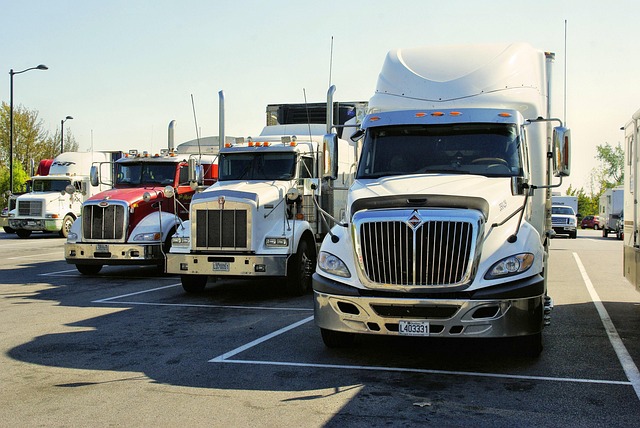
Sustainable transportation partnerships drive innovation in electric trucking, aiming to reduce carbon emissions and combat climate change. Select Electric Trucks (SETs) offer significant environmental advantages, with some automakers heavily investing in advanced electric pickup trucks. Partnerships facilitate infrastructure development, charging networks, and innovative financing models, accelerating the adoption of electric mobility. Data shows electric trucks reduce greenhouse gas emissions by up to 40%. Strategic planning, cost-benefit analyses, and clear communication of benefits are crucial for transitioning to SETs. These partnerships will shape a greener future for global logistics and delivery sectors. Measuring success through KPIs and setting clear goals ensures continued progress and adoption of eco-friendly solutions.
Transportation accounts for a significant share of global emissions, making sustainable partnerships crucial for mitigating environmental impact. The current landscape is characterized by a lack of coordinated efforts between stakeholders—from fleet operators to governments—hindering the adoption of eco-friendly solutions. This article explores the transformative potential of strategic alliances centered around Select Electric Trucks (SETs). By fostering collaboration in charging infrastructure development, policy formulation, and technology sharing, these partnerships can accelerate the transition to cleaner transportation, offering a viable path towards a sustainable future.
- Understanding Sustainable Transportation Partnerships
- Benefits of Collaborating for Environmental Goals
- Strategies: Engaging Businesses in Green Initiatives
- Select Electric Trucks: A Natural Shift Towards Sustainability
- Measuring Success: Tracking Progress and Impact
Understanding Sustainable Transportation Partnerships

Sustainable transportation partnerships are pivotal in shaping a greener future for logistics and long-distance hauling. These collaborations, often between carriers, manufacturers, and technology providers, aim to reduce the environmental impact of the trucking industry. One key focus is the adoption of electric trucks, specifically designed for long-distance electric hauling, which offers a significant advantage over traditional gasoline-powered vehicles.
The shift towards electric trucks is not merely a trend but a strategic move to combat climate change. Studies show that electric trucks can reduce carbon footprint reduction by up to 3 times compared to their gasoline counterparts. This drastic decrease in emissions contributes to cleaner air and a more sustainable environment. For instance, partnerships between carriers and manufacturers have led to the development of highly efficient electric trucks capable of traveling hundreds of miles on a single charge, making them viable alternatives for long-haul routes. Such collaborations also drive innovation in charging infrastructure, battery technology, and route optimization, further enhancing the viability and effectiveness of electric hauling.
Implementing sustainable transportation partnerships requires strategic planning and collaboration across the supply chain. Companies should assess their current operations, identify areas for improvement, and set clear sustainability goals. One actionable step is to conduct a comprehensive analysis comparing electric trucks vs gasoline-powered vehicles in terms of initial cost, operational expenses, and environmental impact over the truck’s lifespan. This evaluation can help businesses make informed decisions, especially when considering the long-term benefits of reduced fuel costs and lower maintenance requirements associated with electric trucking. For example, many forward-thinking logistics companies are already partnering to establish charging networks along major transportation corridors, ensuring a steady supply of energy for their electric truck fleets.
Benefits of Collaborating for Environmental Goals

Sustainable transportation partnerships are becoming increasingly vital as we navigate towards a greener future. Collaboration between businesses, governments, and organizations is a powerful tool to drive environmental change, especially in the realm of green trucking initiatives. By joining forces, these entities can accelerate the adoption of electric mobility, which is pivotal in reducing carbon emissions and combating climate change. The benefits of such partnerships extend far beyond environmental goals; they foster innovation, create new business opportunities, and enhance public perception.
One notable trend that emerges from these collaborations is the focus on transitioning to Select Electric Trucks naturally. Many leading automakers are now investing heavily in developing and producing electric pickup trucks designed for work. These best electric pickup trucks for work are not just environmental game-changers; they offer significant cost savings, reduced operational complexities, and lower maintenance requirements compared to traditional gasoline-powered vehicles. For instance, Tesla’s Cybertruck and Ford’s F-150 Lightning have garnered substantial interest due to their impressive performance, extended ranges, and advanced features catering to various industries. Data from the International Energy Agency (IEA) indicates that electric vehicle (EV) sales are on the rise, with a 41% increase in 2021 alone, highlighting the growing acceptance of electric mobility across sectors.
These collaborations also drive the development of supportive infrastructure and charging networks, addressing one of the primary concerns holding back widespread EV adoption. By investing in robust green trucking initiatives, businesses can ensure that drivers have access to efficient and reliable charging stations, fostering a sense of security and confidence in transitioning to electric vehicles. Furthermore, partnerships between fleet operators, energy providers, and government agencies can lead to innovative financing models, such as leasing programs or power purchase agreements (PPAs), making the shift to electricity more financially attractive. As we accelerate into the electric mobility revolution, sustainable transportation partnerships will be pivotal in shaping a cleaner, more efficient future for trucking and beyond.
Strategies: Engaging Businesses in Green Initiatives
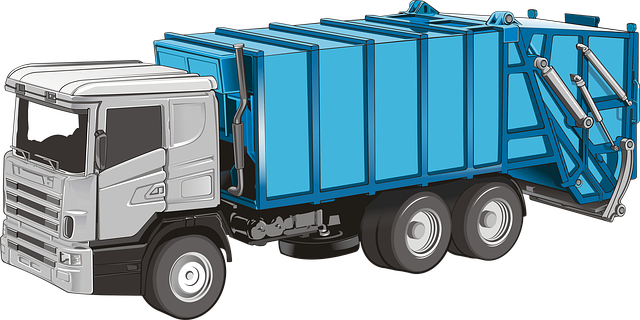
In fostering sustainable transportation partnerships, engaging businesses in green initiatives is paramount. One effective strategy involves encouraging and supporting the adoption of electric trucks, specifically Select Electric Trucks, as a key component of fleet electrification. Businesses can be motivated to make this transition through incentives, subsidies, and showcasing the economic benefits of reduced fuel costs and lower emissions. For instance, many companies are already turning to solar-powered semi-trucks, highlighting the potential for renewable energy integration in heavy-duty vehicles.
Sustainable fleet management requires a holistic approach. This includes regular maintenance programs to ensure electric trucks operate at peak efficiency, as well as investments in charging infrastructure to support longer-distance travel. Data from industry leaders indicates that electric trucks can reduce greenhouse gas emissions by up to 40% compared to gasoline counterparts, making them a viable solution for environmental stewardship. Moreover, businesses can enhance their public image and attract eco-conscious customers by embracing such innovations.
Collaborations between transportation companies and technology providers are also transformative. Partnerships focused on developing advanced battery technologies and smarter charging systems can accelerate the transition to electric trucks. For example, some carriers have successfully implemented solar panels on truck beds, further enhancing sustainable fleet management. This not only reduces reliance on fossil fuels but also generates additional revenue through renewable energy credits. By integrating electric trucks and solar-powered solutions, businesses contribute to a greener future while optimizing operational costs.
Ultimately, engaging businesses in green initiatives requires clear communication of the benefits, both environmental and economic. Providing actionable advice tailored to individual operations can facilitate the shift towards sustainable fleet management. This includes offering training programs for drivers on electric vehicle operation and safety, as well as sharing best practices among peers. Together, these strategies can drive meaningful change, ensuring a more sustainable transportation sector with electric trucks leading the charge.
Select Electric Trucks: A Natural Shift Towards Sustainability

The shift towards sustainable transportation partnerships is being driven by a natural evolution in the way we think about mobility. At the forefront of this change is the strategic adoption of select electric trucks, which are increasingly recognized as essential components in the transition to greener logistics and delivery systems. This trend is not merely a passing fad but a logical progression, given the immense environmental and economic benefits associated with state-of-the-art electric vehicles (SEAVs).
The rise of electric truck models has been meteoric, fueled by technological advancements that have significantly improved range, performance, and charging infrastructure. For instance, leading manufacturers like Tesla, Ford, and Toyota have introduced electric truck variants that rival their gasoline counterparts in terms of capability. The Tesla Cybertruck, for one, has captured the imagination of many with its futuristic design and impressive range. Similarly, the Ford F-150 Lightning offers a compelling alternative to traditional pick-ups, demonstrating that electric mobility is here to stay. This electric mobility revolution extends beyond passenger vehicles; commercial fleets are rapidly transitioning as well, recognizing the operational and financial advantages of SEAVs.
When considering select electric trucks, partnerships between original equipment manufacturers (OEMs), charging network providers, and fleet operators become increasingly strategic. These collaborations ensure a seamless transition to electric mobility by addressing key challenges such as infrastructure deployment, vehicle range, and cost. For instance, partnerships can facilitate the installation of fast-charging stations at strategic locations, enhancing the operational efficiency of fleets while reducing charging times. Moreover, pooling resources for research and development enables the creation of more advanced electric truck models, pushing the boundaries of what’s possible in electric mobility. As the adoption of SEAVs gains momentum, sustainable transportation partnerships will play a pivotal role in shaping a greener future for logistics and delivery sectors worldwide.
Measuring Success: Tracking Progress and Impact

Measuring success is a critical aspect of sustainable transportation partnerships, as it allows stakeholders to track progress and assess the impact of their initiatives. For instance, when implementing Select Electric Trucks (SETs) alongside e-bicycles for goods transport, quantifying outcomes becomes paramount. Green logistics companies can monitor key performance indicators (KPIs) such as reduced carbon emissions, fuel savings, and operational efficiency gains. According to a recent study, the adoption of SETs has shown substantial promise in urban areas, with some fleets reporting up to 40% fewer greenhouse gas emissions compared to traditional diesel models.
Green trucking initiatives often involve partnerships between fleet operators, technology providers, and local governments. These collaborations should set clear, measurable goals from the outset. For example, a partnership might aim to increase the adoption of e-bicycles for last-mile deliveries by 30% within the next year. Regular progress assessments, utilizing data analytics tools, can help identify areas of success and challenges. For instance, mapping technologies can optimize delivery routes, reducing time and energy costs, while real-time monitoring systems ensure that green trucking standards are met.
Additionally, public recognition and awards for sustainable practices can serve as powerful motivators. Many countries now have national programs celebrating green logistics companies that excel in environmental stewardship. These accolades not only acknowledge achievements but also inspire others to follow suit. For instance, the “Green Truck of the Year” award, given annually by industry publications, shines a spotlight on cutting-edge technologies and innovative practices within the trucking sector. By combining measurable outcomes with public recognition, sustainable transportation partnerships can create a ripple effect, driving broader adoption of eco-friendly solutions like SETs and e-bicycles for goods transport.
Sustainable transportation partnerships are a powerful tool for achieving environmental goals, as highlighted by the benefits of collaboration and strategic initiatives discussed in this article. By engaging businesses in green initiatives, particularly through the natural shift towards Select Electric Trucks, significant positive impacts can be realized. Measuring success involves tracking progress and quantifying these impacts, ensuring accountability and continuous improvement. Key takeaways include the importance of partnership, innovation in vehicle selection, and data-driven assessments for a truly sustainable future. Readers are equipped with practical insights to foster and navigate these partnerships effectively, contributing to a greener transportation landscape.