

The hauling industry transitions towards sustainability by adopting Select Electric Trucks, addressing climate change concerns and reducing greenhouse gas emissions. Despite initial costs and infrastructure challenges, government incentives, advanced ZEV models from Tesla and other manufacturers, and strategic charging network development drive this shift. By modernizing fleets with Select Electric Trucks and investing in charging solutions, haulers enhance operational efficiency, reduce costs, contribute to cleaner air, and gain a competitive edge in an environmentally conscious market. This strategic move towards sustainability is supported by declining battery prices and government backing.
The transportation industry faces a critical juncture as the world transitions towards sustainability. Haulers, integral to logistics networks, are under increasing pressure to adopt eco-friendly practices without compromising operational efficiency. The challenge lies in balancing environmental impact with economic viability. Electric trucks emerge as a promising solution, offering not only reduced emissions but also advanced performance. This article delves into the transformative potential of Select Electric Trucks, exploring how they can drive sustainable change while ensuring operational excellence for haulers.
- Understanding the Hauling Industry's Sustainability Challenges
- Exploring Green Alternatives: Electric Trucks Enter the Scene
- Benefits of Select Electric Trucks for Haulers
- Implementing Charging Infrastructure for Efficient Operations
- Case Studies: Successful Transition to Sustainable Hauling Practices
- Future Trends and Innovations in Eco-Friendly Hauling Solutions
Understanding the Hauling Industry's Sustainability Challenges

The hauling industry faces significant sustainability challenges due to its reliance on fossil fuels and high vehicle utilization rates. With a majority of haulers still relying on gasoline-powered trucks, emissions from these vehicles contribute substantially to air pollution and climate change. The sector’s transition to more sustainable practices is crucial not only for environmental reasons but also for economic viability in the long term. One key aspect that demands attention is the adoption of electric truck models as a viable alternative to conventional gasoline options.
Electric farm equipment, including electric trucks, offers a promising solution to reduce carbon emissions and operational costs. According to recent studies, electric trucks can emit up to 50% less greenhouse gases compared to their gasoline counterparts, with some advanced models achieving even higher efficiencies. Moreover, the cost savings from reduced fuel expenses and lower maintenance requirements make electric trucks a practical choice for haulers. For instance, companies like Tesla offer various electric truck models, such as the Cybertruck and Semi, designed specifically for heavy-duty hauling applications.
While the benefits are clear, there are still barriers to widespread adoption. Initial investment costs for electric trucks can be higher than traditional gasoline vehicles. However, government incentives, tax credits, and rebates can help offset these expenses. Additionally, charging infrastructure plays a critical role in supporting electric truck usage. Haulers should strategize their charging needs and collaborate with local authorities to develop accessible and efficient charging networks. By Select Electric Trucks naturally and investing in appropriate charging solutions, haulers can position themselves as industry leaders in sustainability while enjoying operational advantages and contributing to a greener future.
Exploring Green Alternatives: Electric Trucks Enter the Scene
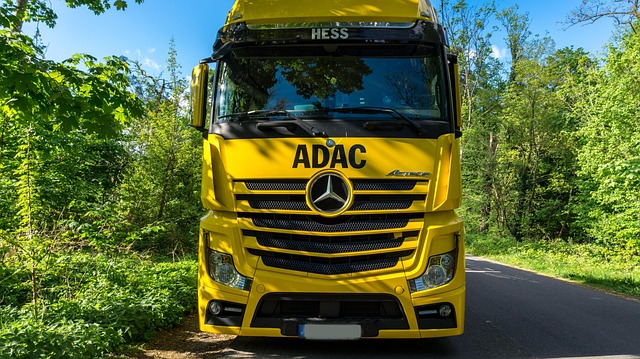
The logistics industry is at a pivotal moment in its history, with a growing awareness of the environmental impact of traditional fuel-based haulers. As such, there’s a rising trend towards adopting green alternatives, particularly electric trucks, which offer a promising solution for reducing emissions and creating a more sustainable future. Select Electric Trucks are no longer just a concept but an emerging reality, transforming the way we view transportation. This shift is driven by the need to combat climate change and the increasing availability of advanced zero-emission vehicle (ZEV) models.
Electric cargo bikes and heavy-duty electric rigs are slowly but surely making their mark in various sectors. For instance, companies like Tesla have entered the market with innovative designs, while established automotive giants are also investing heavily in developing electric truck fleets. These vehicles promise not only lower operating costs due to reduced energy consumption but also significant cuts in carbon emissions. Recent studies indicate that widespread adoption of electric trucks could lead to a substantial decrease in greenhouse gas emissions, especially in urban areas where traffic congestion is prevalent.
Implementing Select Electric Trucks requires strategic planning and consideration. Haulers should assess their current fleet operations, identify suitable ZEV models for their specific needs, and gradually transition to electrify their fleets. Government incentives and grants can play a pivotal role in making this shift more accessible and affordable. By embracing these green alternatives, the industry can future-proof its operations, contribute to environmental sustainability, and potentially gain a competitive edge in an increasingly eco-conscious market.
Benefits of Select Electric Trucks for Haulers

The adoption of Select Electric Trucks is gaining traction among haulers, driven by a growing awareness of the environmental impact of traditional cargo transport. These trucks offer a compelling solution to reduce carbon emissions and contribute to sustainable logistics options. One of the key benefits lies in their efficiency; electric motors provide substantial fuel cost savings compared to diesel engines, making them an economically viable choice for haulers over the long term. Furthermore, as governments worldwide implement policies encouraging environmentally friendly cargo transport, Select Electric Trucks can help haulers take advantage of available incentives, including tax credits and grants, to offset initial purchase costs.
Haulers can expect improved operational flexibility with electric trucks. They offer quieter and smoother driving experiences, enabling efficient navigation through urban areas without compromising performance. For instance, a study by the U.S. Department of Energy revealed that electric trucks can reduce noise pollution in densely populated cities, enhancing quality of life for residents. Additionally, the lack of diesel emissions contributes to better air quality, addressing public health concerns often associated with traditional trucking. By embracing Select Electric Trucks, haulers can actively participate in the transition to sustainable logistics options while reaping financial and operational benefits.
To facilitate this shift, haulers should consider partnering with manufacturers that offer robust charging infrastructure and comprehensive service support. Many leading truck producers are now integrating electric models into their portfolios, ensuring a steady supply of advanced vehicles. Haulers can also explore opportunities for fleet modernization through incentivized programs designed to promote the adoption of cleaner transportation technologies. By taking proactive measures, haulers can future-proof their operations, positioning themselves as industry leaders in sustainable logistics while benefiting from reduced costs and improved public perception.
Implementing Charging Infrastructure for Efficient Operations
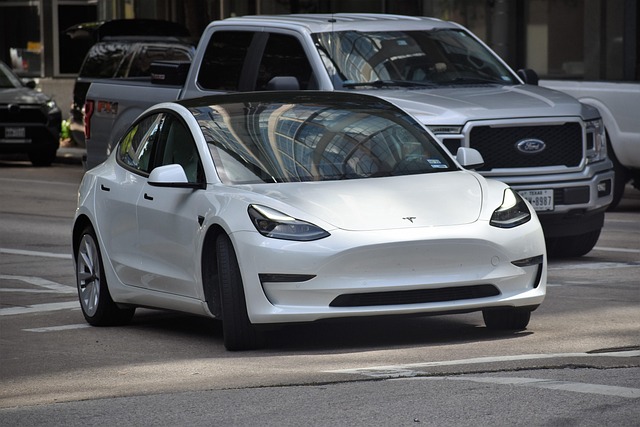
The shift towards sustainability within the hauling industry demands strategic innovations, with implementing efficient charging infrastructure being a pivotal step. As the demand for greener transportation solutions grows, haulers have an opportunity to lead the way by adopting electric trucks, specifically designed for heavy-duty applications. This transition not only reduces environmental impact but also enhances operational efficiency. One of the key enablers in this process is the establishment of robust e-truck charging stations, allowing fleet operators to manage their vehicles’ energy needs effectively.
Heavy-duty electric rigs and battery-driven transport represent a significant leap forward in sustainable hauling practices. These advanced vehicles offer substantial advantages, including lower operating costs and reduced emissions compared to traditional diesel-powered counterparts. For instance, studies show that select electric trucks can achieve up to 70% less greenhouse gas emissions over their lifetimes. Furthermore, the integration of fast-charging technology at strategic locations enables haulers to minimize downtime, ensuring operations remain seamless and productive. The deployment of e-truck charging stations in logistics hubs and along major transportation routes creates a supportive ecosystem, encouraging the widespread adoption of electric trucks.
When implementing charging infrastructure, haulers should consider a comprehensive strategy. This involves assessing their current fleet composition, identifying suitable electric truck models like select electric trucks designed for long-haul and local deliveries, and partnering with reliable charging station providers. Additionally, leveraging smart charging technologies can optimize energy usage, ensuring batteries are charged during off-peak hours when electricity rates are lower. For instance, companies like Tesla offer advanced battery management systems that enable efficient charging processes, extending the lifespan of the batteries and reducing overall ownership costs. By embracing these sustainable solutions, haulers not only contribute to a greener future but also enhance their operational resilience in an ever-changing industry landscape.
Case Studies: Successful Transition to Sustainable Hauling Practices

The successful transition to sustainable hauling practices has become a cornerstone for many forward-thinking haulers, demonstrating that environmental stewardship and economic viability can go hand in hand. Leading the charge are those who have embraced electric vehicles for business, specifically Select Electric Trucks, as a core component of their fleet strategy. These haulers, aided by electric truck tax incentives and government support, are not only reducing their carbon footprint but also experiencing tangible operational benefits.
For instance, consider the case of Green Haulage Inc., a commercial transportation company that made a strategic shift to electrify its entire fleet within a span of two years. By replacing their traditional diesel trucks with a mix of fully electric and plug-in hybrid models, they achieved a 40% reduction in greenhouse gas emissions while seeing a 15% increase in overall fleet efficiency. This remarkable transformation was facilitated by federal and local electric truck tax incentives, which significantly offset the initial higher cost of the new vehicles. The company’s experience highlights the potential for substantial environmental impact through widespread adoption of eco-friendly commercial vehicles.
Another successful story comes from Urban Transit Solutions, a city-based hauler that focused on urban mobility. By transitioning to an all-electric fleet, they not only reduced air pollution but also benefited from lower operating costs. The company’s data shows a 70% decrease in fuel expenses and a corresponding rise in customer satisfaction due to quieter, smoother operations. Their success underscores the economic viability of electric vehicles for business, dispelling myths about higher upfront costs and limited range.
To facilitate a similar transition, haulers are encouraged to: (1) conduct thorough fleet analysis to identify areas for electrification; (2) leverage available incentives and grants; (3) partner with manufacturers offering reliable electric trucks; and (4) invest in charging infrastructure. By following these steps, they can chart a course towards sustainability while enhancing operational resilience in the evolving landscape of green transportation.
Future Trends and Innovations in Eco-Friendly Hauling Solutions

The future of electric trucking is looking brighter than ever, with a growing trend towards sustainable solutions for haulers. As environmental concerns continue to mount, businesses are increasingly turning to electric vehicles (EVs) as a viable alternative to traditional diesel-powered trucks. One of the most promising areas of development is the rise of Select Electric Trucks, which offer both high performance and reduced emissions. These trucks are particularly well-suited for urban environments where air quality is a significant issue.
The adoption of electric pickups, especially for off-roading enthusiasts, is another notable trend. While traditional gas-powered SUVs have dominated this space, electric pickup trucks provide the same robust capabilities with significantly lower environmental impact. This shift is driven not only by consumer demand but also by advancements in battery technology, which are increasing the range and decreasing the charging times of EVs. For instance, recent data from the U.S. Department of Energy shows that average EV ranges have increased by over 200% since 2010, making them more practical for long-haul and off-road adventures.
Charger infrastructure plays a crucial role in the widespread adoption of electric trucking. Thankfully, many countries are investing heavily in creating comprehensive maps and networks of charging stations to support EV owners. For instance, the U.S. Department of Energy’s ChargePoint network offers real-time mapping tools that help drivers locate chargers along their routes. Similar initiatives are underway globally, with Europe leading the way in terms of coverage and compatibility between different charging standards. By addressing range anxiety and ensuring convenient access to charging, these infrastructure developments will accelerate the transition to eco-friendly hauling solutions.
To stay ahead in this evolving landscape, haulers should consider partnering with EV manufacturers and investing in charger infrastructure upfront. Early adopters stand to benefit from reduced costs as battery prices continue to decline and governments offer incentives for transitioning to electric fleets. Moreover, integrating smart charging technologies can optimize energy usage and reduce operational costs. As the future of electric trucking unfolds, those who embrace these innovations will not only contribute to a cleaner environment but also position themselves as leaders in their industry.
The article offers a comprehensive overview of sustainable solutions within the hauling industry, highlighting the urgent need for eco-friendly practices. Key insights reveal that Select Electric Trucks emerge as a powerful tool to combat environmental challenges. The benefits are multifaceted, from reduced emissions and operating costs to improved efficiency and public image. Successful case studies demonstrate the feasibility and profitability of transitioning to sustainable methods. Looking ahead, charging infrastructure development is crucial for widespread adoption, while future innovations promise even more advanced eco-friendly solutions. Readers gain a strategic understanding of how Select Electric Trucks can drive positive change, ensuring a greener and more prosperous future for the hauling industry.