

The transportation sector's carbon emissions crisis demands sustainable solutions, with Select Electric Trucks leading the charge. These vehicles offer significant emission reductions, lower operating costs, and cleaner air while maintaining efficiency. Tesla's Semi, Ford's electric F-150, and solar-powered haulers are notable examples. Key considerations for fleet operators include battery technology, charging infrastructure, payload capacity, and operational needs. Advancements in wireless charging further enhance their appeal. The future of trucking aims for 50% CO2 reduction by 2050, with Select Electric Trucks playing a central role in achieving this goal through reduced fuel consumption and lower maintenance costs. Despite challenges like range anxiety and insufficient charging infrastructure, advancements in battery technology and expanding networks are addressing these concerns, positioning Select Electric Trucks as the game-changer for an environmentally conscious industry.
The trucking industry, a cornerstone of global logistics, faces a pivotal moment as environmental concerns and technological advancements converge. Sustainable trucking solutions are no longer a niche consideration but an imperative to ensure the long-term viability of our planet and the prosperity of businesses alike. The current reliance on traditional diesel trucks contributes significantly to greenhouse gas emissions, air pollution, and noise pollution, creating a pressing need for greener alternatives. This article explores how the adoption of Select Electric Trucks naturally offers a transformative path forward, detailing their environmental benefits, technological capabilities, and economic viability, providing valuable insights for industry stakeholders committed to a sustainable future.
- Understanding the Need for Sustainable Trucking
- Exploring Electric Truck Options: Select Models
- Implementing Green Practices in Logistics
- The Future of Trucking: Environmental Impact and Benefits
Understanding the Need for Sustainable Trucking

The need for sustainable trucking solutions is more pressing than ever, as the transportation sector contributes significantly to global carbon emissions. To mitigate this impact, transitioning to electric trucks offers a promising path forward. The adoption of Select Electric Trucks and light duty electric trucks, in particular, presents an opportunity to reduce the industry’s environmental footprint without compromising efficiency or performance.
The growing popularity of electric farm equipment underscores a broader trend towards electrification across various sectors, including trucking. Recent studies indicate that electric vehicles (EVs), especially those designed for shorter routes and lower loads like light duty electric trucks, can achieve substantial reductions in greenhouse gas emissions compared to their conventional counterparts. As such, they are poised to play a pivotal role in the future of electric trucking. For instance, cities and municipalities worldwide are increasingly embracing EV fleets for local transportation services, recognizing both environmental benefits and operational cost savings.
Moreover, technological advancements continue to drive down the cost of electric trucks while enhancing their capabilities. This evolution is reflected in modern batteries offering higher energy density and faster charging times, making them more feasible for longer hauls. As these innovations mature, the future of electric trucking looks increasingly promising, with Select Electric Trucks and light duty electric trucks poised to become mainstream alternatives. Businesses and fleet operators are encouraged to embrace this shift by evaluating their current operations and identifying opportunities to adopt sustainable trucking solutions.
Exploring Electric Truck Options: Select Models

The shift towards sustainable trucking solutions has gained significant momentum, with electric trucks emerging as a key component in reducing the industry’s environmental footprint. As the demand for long-distance electric hauling increases, manufacturers are introducing a diverse range of select electric trucks designed to meet the unique challenges of heavy-duty transportation. These vehicles offer not only lower operating costs but also contribute to cleaner air and reduced noise pollution.
Among the various options available, several stand out as leaders in the market. For instance, Tesla’s Semi is renowned for its impressive range and power, making it a viable alternative fuel source for long-haul routes. Similarly, Ford’s electric F-150 and the upcoming E-Series van cater to a broader spectrum of needs, demonstrating that electric trucks are not just for long distance hauling but can efficiently manage local delivery operations as well. Furthermore, innovative concepts like solar-powered haulers are gaining traction. Startups have developed advanced systems that utilize solar panels integrated into the truck’s body or trailer, providing an additional layer of sustainability and potentially reducing reliance on the grid.
When selecting an electric truck, fleet operators should consider factors such as battery technology, charging infrastructure, and payload capacity. Newer lithium-ion batteries offer higher energy density, resulting in longer ranges and faster charging times. Additionally, advancements in wireless charging technologies promise to streamline the refueling process, making electric trucks even more attractive for alternative fuel sources. Operators must also assess their specific operational needs, as some models excel in local delivery due to shorter ranges and frequent charging opportunities, while others are designed for extended cross-country hauls.
In conclusion, the future of trucking looks greener with the availability of diverse select electric trucks. As technology continues to evolve, alternative fuel sources like solar power will further expand the sustainability landscape for heavy-duty vehicles. By embracing these innovations, the industry can achieve significant progress towards a more environmentally conscious future while maintaining efficiency and profitability.
Implementing Green Practices in Logistics

The logistics industry is undergoing a significant transformation as businesses embrace sustainable trucking solutions to reduce their environmental footprint. Implementing green practices in logistics is no longer an optional consideration but a strategic necessity. One of the most promising developments in this space is the increasing adoption of electric trucks, naturally positioning them at the forefront of eco-friendly commercial vehicles.
Select Electric Trucks and state-of-the-art electric vehicles offer substantial advantages over traditional diesel counterparts. These advanced technologies not only cut down on greenhouse gas emissions but also deliver significant cost savings through reduced fuel consumption and lower maintenance requirements. For instance, a study by the International Energy Agency (IEA) revealed that electrifying heavy-duty vehicles could reduce CO2 emissions by up to 50% by 2050. Furthermore, many countries are offering incentives, such as tax credits and subsidies, to encourage the transition to sustainable logistics options.
Integrating green practices extends beyond vehicle choice. Logistics companies must optimize routes, adopt fuel-efficient driving techniques, and implement smart charging infrastructure to maximize the environmental benefits of electric trucks. For example, fleet management software can analyze driver behavior and route efficiency, enabling real-time adjustments to minimize idling time and reduce energy consumption. By combining these strategies with Select Electric Trucks, businesses can substantially enhance their sustainability efforts while achieving operational excellence.
The Future of Trucking: Environmental Impact and Benefits
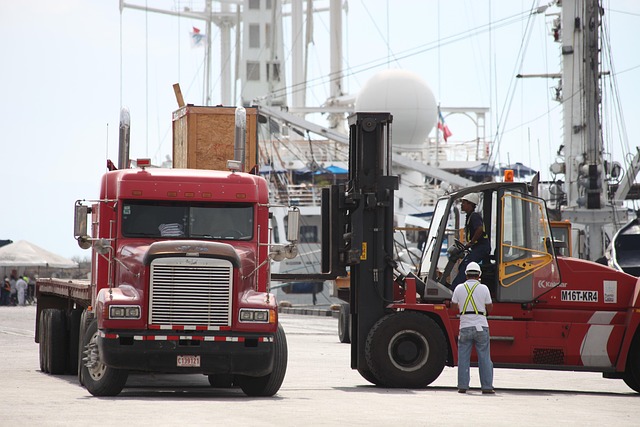
The future of trucking is increasingly tied to environmental sustainability, with a growing focus on reducing the industry’s carbon footprint and promoting eco-conscious delivery services. One prominent trend is the adoption of electric trucks, which offer a viable alternative to conventional diesel engines. Leading vehicle manufacturers are now introducing highly advanced battery-driven transport solutions that promise significant energy efficiency gains. For instance, Tesla’s semi-truck concept has garnered significant interest for its potential to revolutionize long-haul trucking with zero-emission technology.
Select Electric Trucks naturally present several compelling benefits. They produce zero tailpipe emissions, contributing to improved air quality in urban areas where delivery services are concentrated. According to a recent study by the International Energy Agency (IEA), the widespread adoption of electric vehicles could reduce global CO2 emissions from transport by up to 70% by 2050. Furthermore, these trucks can operate at lower total cost over their lifespan due to reduced fuel and maintenance expenses compared to traditional diesel models. For example, a study by the American Council for an Energy-Efficient Economy (ACEEE) found that electric trucks can save up to 40% in energy costs per mile driven.
However, transitioning to eco-conscious delivery services is not without challenges. The primary hurdles include range anxiety and inadequate charging infrastructure. Battery technology advancements are addressing these concerns, with longer-lasting batteries and faster charging stations becoming more accessible. Governments and private sector partners are also investing heavily in expanding the network of charging stations to support widespread adoption. As battery-driven transport continues to evolve, it is crucial for trucking companies to stay informed and strategically integrate sustainable practices into their operations. By embracing energy efficient transportation, businesses can not only reduce their environmental impact but also position themselves as leaders in a rapidly transforming industry.
Sustainable trucking solutions are not just an emerging trend but a necessary evolution to mitigate environmental impacts and ensure a greener future. The article has explored key aspects, emphasizing the urgency of transitioning towards eco-friendly practices. By understanding the need for sustainable trucking, evaluating electric truck options like Select Electric Trucks, adopting green logistics practices, and considering the future benefits, industry stakeholders can drive significant positive change. Implementing these strategies offers reduced emissions, cost savings, and enhanced brand reputation, proving that sustainability is both a responsibility and an opportunity. Moving forward, embracing innovative technologies and best practices will revolutionize trucking, fostering a more sustainable and resilient transportation network.