

Human innovation drives sustainable transportation with electric truck evolution. Early 21st century advancements, led by lithium-ion batteries, transformed e-truck capabilities. Tesla's lineup attracted businesses with lower costs and environmental benefits. Recent charging station developments address range restrictions. The global market projects exponential growth by 2030. Future innovations include faster charging, longer ranges, and advanced driver systems. Strategic planning, incentives, and robust charging infrastructure support businesses transitioning to Select Electric Trucks. Battery recycling and circular economy principles enhance sustainability. Motor technology improvements offer unparalleled efficiency and power for diverse applications. Expanding charging infrastructure supports growing demand for Long Range Electric Trucks (LRETs) and Heavy Duty Electric Rigs (HDERs). Collaborative efforts by governments, industry leaders, and consumers drive regulatory streamlining and cost reductions, paving the way for widespread electric mobility adoption by 2030.
Electric truck technology advancements are reshaping the future of transportation, offering a sustainable solution to reduce our carbon footprint. However, the shift from conventional fuels to electric power presents challenges, such as range anxiety, charging infrastructure limitations, and performance disparities. Select Electric Trucks have emerged as a game-changer, addressing these concerns through innovative designs, improved battery technology, and advanced charging networks. This article delves into the cutting-edge developments that are making electric trucks not just a viable option but an efficient and eco-conscious reality for the modern transportation landscape.
- Electric Truck Evolution: A Historical Perspective
- Powering Progress: Battery Technology Advancements
- Performance Boost: Motor Innovations Unveiled
- Sustainable Future: Charging Infrastructure Expansion
Electric Truck Evolution: A Historical Perspective

The evolution of electric truck technology is a testament to human ingenuity and our relentless pursuit of sustainable transportation networks. The journey began with early concepts in the late 19th century, but it wasn’t until the 21st century that significant advancements emerged. Early electric trucks were largely experimental, often heavy and inefficient, making them impractical for widespread adoption. However, the turn of the millennium saw a surge in innovation as automakers and tech companies collaborated to overcome range anxiety and charging infrastructure limitations.
One notable milestone came with the introduction of modern lithium-ion batteries, which revolutionized e-truck technology. These advanced batteries significantly increased energy density, enabling longer driving ranges per charge. For instance, Tesla’s electric truck lineup has set new standards in both performance and efficiency, attracting businesses seeking eco-friendly transportation solutions. As a result, electric vehicles for business are increasingly becoming the preferred choice due to their lower operational costs and reduced environmental impact.
Historically, the adoption of electric trucks was slower than that of passenger electric vehicles, mainly due to the unique requirements of commercial fleets. However, recent advancements in e-truck charging stations have addressed this challenge head-on. Rapid charging technologies now allow for quick refueling during regular routes, eliminating range restrictions and further enticing truck manufacturers and operators. Data from industry reports shows that the global market for electric trucks is projected to grow exponentially in the coming years, driven by stringent environmental regulations and growing awareness of sustainable transportation networks.
Looking ahead, the future of electric truck technology promises even greater efficiency, longer ranges, and faster charging times. As infrastructure continues to develop, we can expect to see more select electric trucks integrating advanced driver-assistance systems (ADAS) and autonomous driving capabilities, further enhancing safety and operational efficiency across sustainable transportation networks. Businesses considering transitioning to electric trucks should focus on strategic planning, leveraging available incentives, and investing in robust charging infrastructure to fully realize the benefits of this game-changing technology.
Powering Progress: Battery Technology Advancements

The evolution of electric truck technology is fundamentally intertwined with advancements in battery technology, which acts as the heart of these vehicles. As the demand for energy-efficient transportation continues to grow, particularly among electric vehicles for hire and green fleet solutions, battery innovations play a pivotal role in enhancing performance, increasing range, and ensuring faster charging times. These developments are not just about improving numbers on a specification sheet; they translate into real-world benefits for consumers and businesses alike.
One notable trend is the transition from traditional lithium-ion batteries to more advanced variants like solid-state and lithium-sulfur batteries. Solid-state batteries, for instance, offer higher energy density, faster charging rates, and longer lifespans compared to their lithium-ion counterparts. For select electric trucks, this means significantly reduced charging times—from hours to minutes—and increased driving ranges, making them more viable for long-haul transportation. Companies like Tesla have already demonstrated the potential of these technologies with models boasting impressive range and fast-charging capabilities. As research progresses, we can expect further breakthroughs that will make electric trucks even more competitive with their internal combustion engine counterparts.
Moreover, advancements in battery recycling and second-life applications are addressing environmental concerns and creating new economic opportunities. With proper management, recycled batteries can provide valuable materials for manufacturing new ones, reducing the reliance on rare earth elements and contributing to a circular economy. This not only ensures the sustainability of electric truck technology but also opens doors for innovative green fleet solutions. As more governments and organizations prioritize reducing carbon footprints, the adoption of energy-efficient transportation will continue to gain momentum, driven by these battery technology advancements.
Performance Boost: Motor Innovations Unveiled
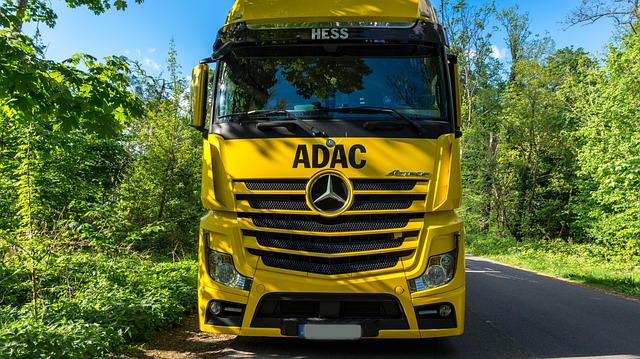
The performance capabilities of electric trucks have witnessed remarkable advancements, primarily driven by innovations in motor technology. These breakthroughs are revolutionizing the transportation sector, offering a compelling alternative to traditional gas-powered vehicles. Select Electric Trucks, for instance, are now delivering unparalleled efficiency and power, making them viable options not just for personal use but also for commercial fleets, including electric vehicles for hire.
Motor advancements have focused on increasing torque and enhancing overall efficiency. Modern electric motors utilize advanced materials and precision engineering to achieve higher torque output from lower rotational speeds, resulting in smoother acceleration. This is particularly beneficial for battery-driven transport applications, where rapid and efficient movement is essential. For example, the latest generation of motors can deliver up to 1000 Nm of torque, enabling trucks to haul heavier loads with ease while maintaining excellent maneuverability. Furthermore, these innovative designs are more energy-efficient, translating to longer driving ranges for electric vehicles, a critical factor in encouraging wider adoption.
Another significant development is the integration of advanced control systems that optimize motor performance in real-time. These intelligent algorithms adapt to various driving conditions, ensuring optimal power distribution and fuel (or battery) efficiency. This technology is especially valuable for e-bicycles for goods, where efficient and precise control can maximize payload capacity and range. As the electric vehicle market continues to grow, manufacturers are investing heavily in research and development to push the boundaries of motor innovation further, promising even better performance and greater sustainability in the future.
Sustainable Future: Charging Infrastructure Expansion

The sustainable future of electric truck technology hinges on a robust charging infrastructure expansion. As the world embraces electric mobility, the demand for long range electric trucks (LRETs) is skyrocketing across various sectors. This shift towards zero-emission vehicles is not merely a trend but an indispensable component of our global efforts to combat climate change. The rise of LRETs, capable of traversing significant distances on a single charge, is a game-changer in the logistics and transportation industry. For instance, companies like Tesla and Ford have introduced highly anticipated models that promise impressive ranges, making them viable alternatives to traditional fossil fuel-powered rigs.
Heavy duty electric rigs (HDERs) are another frontier in this revolution, transforming long-haul trucking and construction sectors. These advanced trucks not only reduce carbon emissions but also offer significant cost savings through lower operational expenses. The expansion of charging infrastructure is a critical enabler for widespread adoption. Governments and private entities alike are investing heavily in building out networks of fast-charging stations to support both LRETs and HDERs. This strategic move ensures that drivers have access to efficient, reliable power sources, fostering increased range confidence and enhancing the overall customer experience. As electric mobility continues to gain traction, we can expect further innovations in charging technology, leading to faster charging times and more accessible infrastructure.
To harness the full potential of this revolution, it’s essential for industry leaders, policymakers, and consumers to collaborate. This collaboration should focus on streamlining regulatory processes to expedite the deployment of charging stations while ensuring their quality and safety. Additionally, investing in research and development for advanced battery technologies can drive down costs and increase energy density, further accelerating the adoption of electric trucks. By 2030, industry projections suggest that electric mobility could account for over half of all new vehicle sales globally. This paradigm shift will not only mitigate environmental impact but also redefine the future of transportation, making it more sustainable, efficient, and cleaner than ever before.
Electric truck technology advancements have undergone a remarkable transformation, as demonstrated by historical evolution, battery technology breakthroughs, motor innovations, and expanding charging infrastructure. Key insights reveal that Select Electric Trucks are not just catching up to traditional counterparts but setting new benchmarks in performance, sustainability, and efficiency. Battery technology improvements have significantly increased range and reduced charging times, while motor innovations deliver superior torque and acceleration. The expansion of charging infrastructure further addresses range anxiety, making electric trucks a viable and attractive choice for commercial and personal use. Moving forward, continued advancements in these areas will accelerate the adoption of electric trucks, shaping a sustainable future for transportation.