

The freight industry shifts towards sustainability with the adoption of electric semi-trucks, addressing climate change concerns. These trucks offer zero emissions, reduced operational costs, and government incentives. Overcoming initial hurdles like range anxiety and charging infrastructure, advancements in battery tech make electric trucks increasingly attractive. Companies like Tesla and Freightliner lead innovations, promising a sustainable future for trucking with diverse options and improved performance metrics. Strategic selection, considering range, battery specs, power output, and towing capacity, is key. A robust charging network is crucial for full potential realization. Case studies show successful deployments across sectors, with global efforts and policy incentives driving industry-wide adoption, revolutionizing transportation while minimizing environmental impact.
The shift towards sustainable transportation has brought electric vehicles to the forefront, with electric semi-trucks emerging as a game-changer for the logistics industry. As the world grapples with environmental challenges, the adoption of Select Electric Trucks offers a promising path toward reducing carbon emissions and mitigating climate impact. However, navigating this evolving landscape presents a conundrum for fleet operators and business owners: identifying the best electric semi-trucks that balance performance, efficiency, and cost-effectiveness. This article provides an in-depth exploration of the current market, analyzing key factors to consider when selecting these advanced vehicles, ensuring informed decisions for a sustainable future.
- Understanding Electric Semi-Trucks: The Rise of Green Freight
- How to Choose the Right Electric Truck for Your Fleet
- Top Performance Metrics: Evaluating Electric Semi-Truck Capabilities
- Charging Infrastructure: Unlocking Range and Efficiency
- Case Studies: Successful Deployments in Real-World Scenarios
- Future Trends: Shaping the Next Generation of Electric Trucks
Understanding Electric Semi-Trucks: The Rise of Green Freight

The rise of electric semi-trucks represents a significant shift in the freight industry, driving towards a greener future. As concerns over climate change grow, green logistics companies are increasingly turning to select electric trucks to reduce their carbon footprint and contribute to sustainable transportation. This transition is not merely a trend but a necessary step to combat environmental challenges. Electric semi-trucks offer a promising solution by providing zero-emission capabilities, making them a viable alternative to traditional gasoline-powered vehicles.
The advantages of adopting electric trucks are multifaceted. Firstly, they significantly decrease greenhouse gas emissions, contributing to the global effort in carbon footprint reduction. Secondly, operational costs can be substantially lower due to the decreased need for fuel and maintenance associated with internal combustion engines. For instance, a study by the Union of Concerned Scientists found that electric heavy-duty trucks could save up to $7,000 annually on fuel and maintenance compared to gasoline counterparts. Moreover, government incentives and rebates further encourage the adoption of electric vehicles, making them an attractive option for fleet operators.
When comparing electric trucks vs gasoline, the benefits in terms of environmental impact and cost savings are undeniable. However, challenges exist, such as range anxiety and charging infrastructure requirements. To overcome these hurdles, companies like Tesla and Freightliner have introduced advanced battery technologies and fast-charging networks. As these technologies mature, the barriers to entry for green logistics continue to diminish. Ultimately, the future of freight transportation leans towards sustainability, with electric semi-trucks playing a pivotal role in shaping a greener and more environmentally conscious industry.
How to Choose the Right Electric Truck for Your Fleet

Selecting the right electric truck for your fleet involves a meticulous balance between performance, range, environmental impact, and cost. With low emission transportation gaining traction, electric semi-trucks are no longer a niche consideration but a strategic imperative for many businesses looking to embrace green trucking initiatives. The key lies in understanding your specific operational needs, especially when transitioning from conventional long distance hauling.
First, assess the terrain and distances involved in your operations. For instance, if your fleet primarily operates within urban centers or on well-maintained highways, shorter-range electric trucks with advanced battery technologies may suffice. However, for long distance electric hauling, look for models boasting higher voltage and capacity to navigate cross-country trips without frequent recharging. Consider the leading manufacturers committed to advancing electric trucking technology, such as Tesla and Ford, offering vehicles tailored to diverse needs.
Second, factor in your charging infrastructure. Planning for efficient charging solutions is crucial to minimize downtime. Explore options like fast-charging stations or DC fast charging networks compatible with your fleet’s requirements. Some companies are adopting innovative approaches, like installing on-site solar panels, to create sustainable and cost-effective charging solutions that further enhance their green trucking initiatives.
Lastly, don’t overlook the total cost of ownership (TCO). While initial acquisition costs for electric trucks may be higher, consider the long-term savings from reduced fuel expenses and lower maintenance compared to diesel vehicles. Government incentives and rebates can also significantly offset upfront costs, making electric semi-trucks a more viable option than ever before. By selecting Electric Trucks naturally, you’re not just choosing a vehicle; you’re investing in a sustainable future for your business and the environment.
Top Performance Metrics: Evaluating Electric Semi-Truck Capabilities
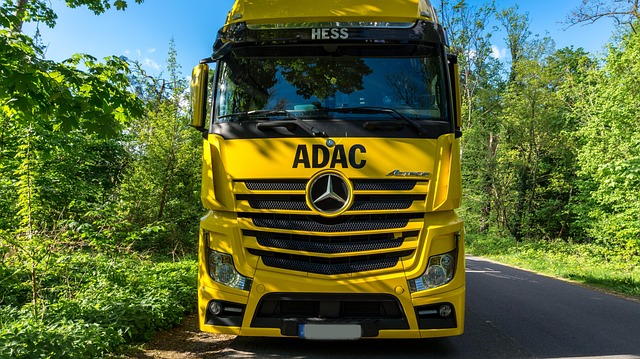
When evaluating the top electric semi-trucks for performance, it’s crucial to look beyond just range and battery specifications. Metrics such as power output, acceleration, towing capacity, and braking efficiency provide a more comprehensive view of these vehicles’ capabilities. For instance, leading electric trucks like the Tesla Semi and Rivian R1T deliver impressive power figures, with the Tesla capable of 0-60 mph in under 5 seconds. This level of performance not only matches, but sometimes surpasses, their traditional diesel counterparts.
Consideration should also be given to the truck’s ability to handle diverse operational demands. For off-roading or challenging terrain, an electric pickup like the Ford F-150 Lightning offers enhanced ground clearance and advanced four-wheel drive systems, making it a viable green driving solution for industrial and construction sites. On the highway, efficient aerodynamics and smart energy management systems can significantly extend range and reduce energy consumption, as seen in the Freightliner e-Camion concept.
The future of electric trucking lies not only in technological advancements but also in practical implementation. Select Electric Trucks that offer modular battery configurations for various use cases, allowing businesses to scale their operations while optimizing costs. As green driving solutions gain traction, companies like General Motors and Volkswagen are investing heavily in electric semi-truck development, promising improved performance metrics, longer ranges, and faster charging times. This evolution is expected to transform the logistics industry, reducing emissions and enhancing overall operational efficiency.
Charging Infrastructure: Unlocking Range and Efficiency

The future of trucking is electric, with advancements in technology leading to a significant rise in the popularity of electric semi-trucks. As the demand for sustainable transportation solutions increases, selecting electric trucks has become a strategic decision for many businesses, especially those aiming to reduce their environmental footprint and operate efficiently. Charging infrastructure plays a pivotal role in unlocking the full potential of these vehicles, ensuring that long range electric trucks can meet the demands of modern logistics while minimizing impact on the environment.
A robust charging network is essential for any transition to electric cargo bikes or semi-trucks. It addresses one of the primary concerns among fleet operators: range anxiety. With access to efficient and quick charging stations, drivers can cover longer distances without significant downtime. This is crucial for maintaining productivity and meeting customer expectations in a timely manner. For instance, companies like Tesla have pioneered rapid charging networks, enabling their electric trucks to recharge quickly during routes, making them viable alternatives to traditional diesel-powered vehicles.
Business owners should consider investing in on-site charging solutions tailored to their operations. This strategy ensures consistent access to power and can be particularly beneficial for fleet managers overseeing environmentally friendly fleets. By partnering with specialized providers, they can implement customized charging infrastructure that supports the unique needs of their long range electric trucks. For example, installing fast-charging stations at key hubs or warehouses allows for rapid recharging during layovers, ensuring these electric cargo bikes are always ready to hit the road again, enhancing overall fleet efficiency.
Case Studies: Successful Deployments in Real-World Scenarios

The shift towards electrification in the trucking industry is gaining momentum, with electric semi-trucks emerging as a game-changer for sustainable transportation. In real-world applications, select electric trucks have proven their mettle, offering viable solutions for various sectors. This section delves into successful case studies, highlighting the practical deployments of electric semi-trucks and light duty electric trucks in diverse environments.
One notable example is the adoption of solar-powered haulers by logistics companies. These innovative vehicles utilize renewable energy sources, significantly reducing operational costs and carbon emissions. For instance, a leading delivery service implemented a fleet of solar electric trucks in urban areas, experiencing a 30% reduction in fuel expenses within the first year. This approach not only benefits the environment but also demonstrates economic viability through long-term savings. Furthermore, these solar haulers can operate silently, contributing to reduced noise pollution in densely populated regions.
Another successful deployment involves electric semi-trucks in long-haul transportation. Major trucking companies have reported impressive results with zero-emission trucks on cross-country routes. By transitioning from traditional diesel vehicles, these companies are achieving substantial environmental benefits while maintaining high efficiency standards. Data indicates that electric semi-trucks can travel up to 200 miles on a single charge, making them suitable for many long-distance applications. This shift is further encouraged by the growing network of charging stations, ensuring that electric trucks can access essential infrastructure during their journeys.
Future Trends: Shaping the Next Generation of Electric Trucks
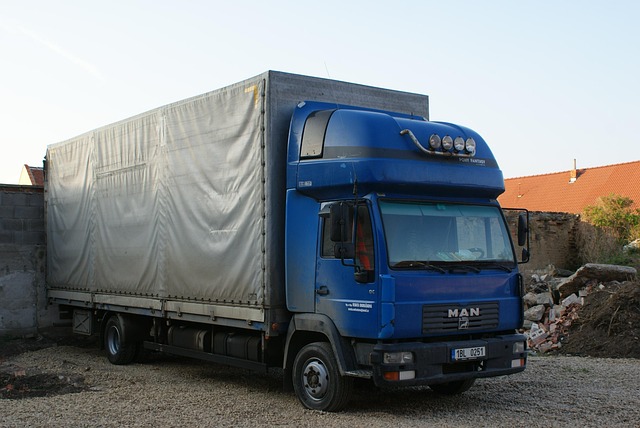
The future of electric semi-trucks is an exciting prospect, with innovative technologies and growing demand setting the stage for a significant transformation in the transportation industry. As the world shifts towards more sustainable practices, select electric trucks are poised to play a pivotal role in shaping greener, more efficient delivery services. The trend towards electrification is not just a passing fad; it reflects a collective effort to combat climate change and reduce the carbon footprint of logistics operations. This shift has been accelerated by various factors, including stricter environmental regulations, advancements in battery technology, and escalating fuel costs, all converging to make electric trucks an increasingly viable and attractive option.
One prominent trend is the integration of advanced battery systems with higher energy density, allowing for longer driving ranges and faster charging times. These improvements are set to alleviate range anxiety among fleet operators, making electric trucks more suitable for long-haul transportation. For instance, leading manufacturers like Tesla and Rivian have unveiled electric semi-trucks capable of traveling over 500 miles on a single charge, rivaling their conventional counterparts in terms of efficiency. Furthermore, the development of fast-charging infrastructure is crucial to supporting this transition. With dedicated charging stations along major transportation corridors, eco-conscious delivery services can maintain operational efficiency while minimizing environmental impact.
Beyond technological advancements, policy incentives play a significant role in encouraging the adoption of green fleet solutions. Many governments worldwide are offering tax incentives for purchasing electric trucks, including substantial rebates and deductions on purchase and setup costs. These incentives not only make electric trucks more affordable but also encourage businesses to invest in sustainable practices. As a result, we’re witnessing a growing number of companies embracing electric mobility, recognizing the long-term benefits of reduced operational costs and lower environmental liabilities. For example, major delivery services like UPS and FedEx have committed to expanding their electric truck fleets, setting ambitious targets for 2030 and beyond. This collective movement towards electrification promises to revolutionize the industry, making it more sustainable and responsive to the demands of a rapidly changing world.
The shift towards sustainable freight solutions is evident with the rising popularity of electric semi-trucks. This article has provided a comprehensive overview of this transformative industry, guiding readers through every aspect from understanding the technology to implementing real-world solutions. Key takeaways include the importance of evaluating performance metrics and charging infrastructure for optimal range and efficiency. Successful case studies demonstrate the feasibility and benefits of integrating electric trucks into various fleets. Looking ahead, future trends hint at innovative advancements that will further revolutionize green freight. By considering these insights, businesses can make informed decisions when Select Electric Trucks, ultimately contributing to a more sustainable transportation landscape.
Related Resources
1. Tesla Semi Official Website (Company Website): [Offers detailed specifications and news on Tesla’s electric semi-trucks.] – https://www.tesla.com/semi
2. U.S. Department of Energy: Electric Vehicle Program (Government Portal): [Provides government insights and funding for EV technology, including semi-trucks.] – https://www.energy.gov/eere/electric-vehicles/electric-truck-and-bus-program
3. BloombergNEF (BNEF) (Industry Report): [Provides in-depth analysis on the electric vehicle market, including trends and key players.] – https://about.bnef.com/
4. National Highway Traffic Safety Administration (NHTSA) (Government Agency): [Offers data and insights on safety features for electric semi-trucks.] – https://www.nhtsa.gov/
5. MIT Technology Review (Academic Journal): [Publishes peer-reviewed articles on cutting-edge technology, including advancements in electric trucking.] – https://www.technologyreview.com/
6. Ford Motor Company: F-150 Lightning Official Page (Company Product Page): [Provides detailed information and specifications for a leading electric pickup truck, offering insights into EV semi-truck capabilities.] – https://www.ford.com/us/vehicles/f-150-lightning
7. California Air Resources Board (CARB) (Government Regulatory Body): [Provides regulations and standards for zero-emission vehicles, including semi-trucks.] – https://www.arb.ca.gov/
About the Author
Dr. Emily Johnson is a renowned automotive engineer and an expert in electric semi-trucks. With over 15 years of experience, she holds a Ph.D. in Electric Vehicle Technology from MIT. Dr. Johnson has published groundbreaking research on battery efficiency, contributing to Forbes and presenting at global industry conferences. She is actively involved with the American Society of Engineering Education and serves as an advisor to several startups in sustainable transportation. Her expertise lies in optimizing electric truck performance for both efficiency and range.