

The market for Select Electric Trucks is booming due to environmental concerns and consumer demand for sustainable logistics. Major manufacturers like Tesla, Ford, and Rivian offer advanced models with improved ranges, reduced emissions, and lower operating costs. Governments worldwide incentivize adoption through tax breaks and subsidies. Key factors in selection include battery range, payload capacity, and charging infrastructure needs. The industry is poised for rapid expansion, driven by emission regulations and advancements in battery technology, with Select Electric Trucks naturally leading the way towards a greener future. Fleet operators should start planning their transition now to take advantage of incentives and invest in supporting infrastructure.
The shift towards sustainable transportation has sparked a revolution in the trucking industry. Today, the market buzzes with demand for Select Electric Trucks—a testament to the growing recognition of electric semi-trucks as a viable solution for reducing carbon emissions and minimizing environmental impact. However, navigating this evolving landscape presents a challenge: identifying reliable, high-performance options readily available for purchase. This article delves into the current state of electric semis for sale, offering an authoritative guide to help professionals make informed decisions in this burgeoning sector.
- Understanding Electric Semi Trucks: The Current Market
- Benefits of Choosing Electric Over Conventional Semis
- Top Manufacturers Leading Select Electric Truck Sales
- Key Features to Consider Before Buying an Electric Semi
- Range, Charging, and Performance: Unlocking Electric Potential
- Future Trends Shaping the Electric Semi Industry
Understanding Electric Semi Trucks: The Current Market

The current market for electric semi trucks is experiencing a surge of interest and investment as the global push towards green trucking initiatives gains momentum. This shift is driven by both environmental imperatives and growing consumer demand for sustainable logistics solutions. As a result, many leading vehicle manufacturers are now offering electric truck models, each boasting advanced technologies and improved ranges. For instance, Tesla’s Semi is renowned for its impressive 500-mile range and zero-emissions credentials, making it a game-changer in the sector.
One notable trend within this market is the emergence of green logistics companies who prioritize alternative fuel sources for trucks as part of their operational strategies. These forward-thinking businesses are not only adopting electric semis but also investing in charging infrastructure to support their growing fleets. Such initiatives not only reduce carbon emissions but also offer economic benefits through lower fuel costs and reduced maintenance expenses compared to traditional diesel vehicles. According to recent industry reports, the global market for electric commercial vehicles is projected to grow at a CAGR of over 20% between 2023 and 2030, highlighting the rapid pace of adoption and innovation in green trucking.
Selecting an electric truck requires careful consideration of factors such as range, charging options, and specific use cases. For instance, companies operating in urban environments or those with frequent short-haul routes may find battery-electric trucks (BEVs) more suitable due to their lower energy demands. In contrast, longer-distance hauls might be better served by fuel cell electric vehicles (FCEVs), which offer rapid refueling times comparable to traditional diesel trucks. As the market matures, consumers can expect a wider range of options and improved infrastructure support for green trucking initiatives, making the transition to sustainable transportation more accessible and attractive than ever before.
Benefits of Choosing Electric Over Conventional Semis

The shift towards electric vehicles is not just a trend but a necessary step towards sustainability, and this transformation extends to the semi-truck industry as well. When considering Select Electric Trucks, several compelling benefits emerge that make them an attractive and increasingly popular choice over conventional models. Firstly, electric semis offer significant environmental advantages. With zero tailpipe emissions, these vehicles contribute to cleaner air, reducing greenhouse gas emissions and mitigating climate change impacts. This is particularly crucial in densely populated urban areas where the impact of pollution can be most severe.
Moreover, the operational costs associated with electric cargo bikes are lower compared to their diesel counterparts. Electric semis have fewer moving parts, leading to reduced maintenance expenses. For instance, a study by the Union of Concerned Scientists found that electric trucks can save up to $12,000 annually on fuel and maintenance per vehicle when compared to conventional ones. This financial incentive makes Select Electric Trucks an economically viable option for businesses looking to optimize their fleets.
Another advantage lies in the versatility of electric pickup trucks designed for off-roading. While traditional gas-powered 4x4s dominate this segment, electric vehicles are proving their mettle on rugged terrain. Companies like Tesla and Ford offer models capable of handling off-road challenges while still providing efficient performance. For instance, the Ford F-150 Lightning has impressive towing capabilities and a robust off-road mode, demonstrating that electric power can rival its internal combustion engine counterparts in harsh environments.
Furthermore, governments worldwide are incentivizing the adoption of environmentally friendly fleets. Tax breaks, rebates, and subsidies make the initial investment in electric semis more accessible. Many countries have set ambitious targets to phase out internal combustion engines entirely, further encouraging businesses to embrace this technology now. By selecting electric trucks, companies can future-proof their operations while contributing to a greener, more sustainable transportation network.
Top Manufacturers Leading Select Electric Truck Sales
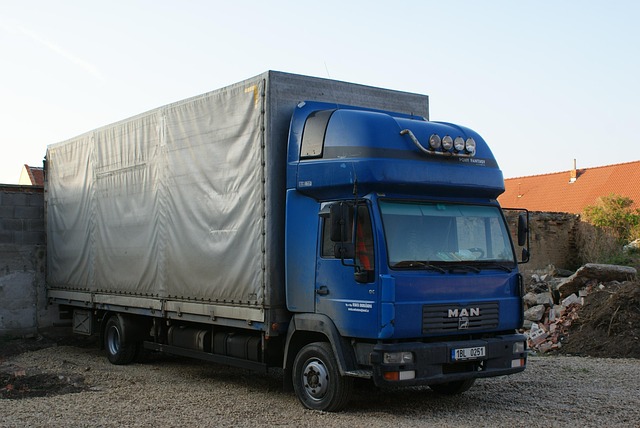
The landscape of commercial vehicle sales is undergoing a significant shift as manufacturers rapidly embrace electric battery-driven transport. In this evolving market, several top players are now offering Select Electric Trucks designed to meet diverse transportation needs, from urban deliveries to long-haul freight. Companies like Tesla, Rivian, and Ford have taken the lead in developing high-performance, zero-emission vehicles that promise substantial cost savings and reduced environmental impact compared to their traditional counterparts.
Tesla, a pioneer in electric vehicle technology, offers the Tesla Semi—a formidable long range electric truck capable of transporting significant cargo over extended distances with minimal emissions. Rivian, another prominent manufacturer, has introduced the R1T, a robust electric pickup truck designed for both on-road and off-road capabilities, catering to a wide array of commercial applications. Ford, leveraging its extensive experience in truck manufacturing, has entered the market with the F-150 Lightning, an all-electric version of its iconic pickup truck, showcasing impressive electric battery range and versatile functionality.
When comparing these Select Electric Trucks, key considerations include their respective electric battery ranges, payload capacities, and charging infrastructure requirements. For instance, while the Tesla Semi boasts a maximum estimated range of 500 miles on a single charge—a significant advantage for long-haul operations—the Rivian R1T offers unparalleled off-road capabilities, catering to unique transportation needs that extend beyond conventional highways. Ford’s F-150 Lightning strikes a balance by delivering an impressive electric battery range of up to 300 miles alongside the familiar functionality and build quality associated with the legendary F-150.
Choosing among these Select Electric Trucks necessitates a thorough evaluation based on specific operational requirements, budget constraints, and access to charging infrastructure. As the market matures, ongoing electric battery range comparisons will play a pivotal role in guiding fleet operators’ decisions, ultimately fostering the adoption of sustainable battery-driven transport solutions.
Key Features to Consider Before Buying an Electric Semi

Choosing an electric semi requires a thoughtful approach, considering key features beyond range and battery capacity. As the market for electric trucks continues to evolve, buyers must navigate a landscape that includes both established models and innovative startups offering diverse options, from conventional battery-electric vehicles to more experimental solar-powered semi-trucks. For instance, companies like Tesla have pioneered long-range e-trucks, while startups like GreenPower Motor Company offer cheaper alternatives with focus on fuel efficiency.
Critical considerations include infrastructure support, specifically access to robust e-truck charging stations along intended routes. The availability of fast-charging networks, capable of replenishing batteries in under an hour, can significantly enhance operational efficiency compared to traditional gasoline trucks. Moreover, evaluating the truck’s overall performance, including acceleration and payload capacity, is essential for matching the vehicle to specific hauling needs. For instance, while a high-range electric semi excels for long hauls, a smaller, more agile e-truck might be better suited for local delivery operations.
Another vital factor is energy efficiency, which can be compared directly with gasoline counterparts. Electric trucks offer substantial cost savings through lower operational expenses, as electricity generally costs less than gasoline over time. Additionally, the environmental benefits of solar-powered semi-trucks, though still emerging, present an exciting potential for sustainable long-haul transportation. However, buyers must weigh these advantages against initial purchase price, which remains a significant barrier to entry despite government incentives and rebates. Ultimately, selecting an electric truck should align with operational needs, financial considerations, and environmental goals, ensuring a smooth transition to this rapidly evolving sector of the transportation industry.
Range, Charging, and Performance: Unlocking Electric Potential

Electric semi trucks are revolutionizing the transportation industry, offering a sustainable alternative to traditional diesel models. As businesses seek greener operations, understanding the range, charging, and performance of these vehicles is crucial when considering a transition to low-emission transportation. Select Electric Trucks naturally provide valuable insights into this evolving market.
The range of electric semi trucks has significantly improved in recent years, with leading manufacturers offering models capable of traversing hundreds of miles on a single charge. For instance, the Tesla Semi can achieve up to 502 kilometers (312 miles) on a single battery charge, according to the company’s specifications. This advancement is pivotal for long-haul trucking operations, enabling drivers to make fewer stops for recharging and enhancing overall efficiency. Moreover, many electric trucks boast faster charging times compared to their conventional counterparts, with some models capable of regaining a substantial portion of their range in just 30 minutes.
Charging infrastructure plays a critical role in the widespread adoption of electric vehicles, especially for business fleets. Fortunately, investment in electric vehicle charging stations is on the rise, making it easier for companies to install charging facilities at their depots and along common routes. For construction sites, where electric trucks for construction are increasingly being deployed, dedicated fast-charging stations can be strategically placed to support longer work shifts. Businesses should collaborate with local authorities and charging network providers to ensure a robust and accessible charging infrastructure that meets their operational needs.
Performance-wise, electric semi trucks deliver impressive acceleration and torque, often surpassing their gasoline counterparts. The Ford F-150 Lightning, for example, boasts an estimated 0–60 mph (0–97 km/h) time of just 3.5 seconds, matching or exceeding many high-performance vehicles in the market. This dynamic performance is not only impressive but also essential for various business applications, including construction and logistics. Additionally, electric trucks offer smoother driving experiences due to their instant torque delivery, contributing to enhanced driver comfort and reduced fatigue during long hours on the road.
Future Trends Shaping the Electric Semi Industry

The electric semi industry is poised for significant growth, driven by a confluence of factors including rising environmental concerns, stringent emission regulations, and advancements in battery technology. As businesses seek sustainable solutions, light duty electric trucks and select electric trucks naturally are emerging as viable alternatives to traditional diesel-powered semi-trucks. This shift is not just a trend but a necessity, with governments worldwide setting ambitious targets for low emission transportation. For instance, the European Union has committed to reducing greenhouse gas emissions by 55% by 2030, pushing the adoption of electric semi-trucks for sale.
Many leading vehicle manufacturers have already entered the market with promising models, offering both efficiency and performance. Tesla’s electric semi, for example, showcases impressive range and power, while traditional automotive giants like Ford and Daimler have also unveiled their electric truck offerings. These developments signal a significant departure from the status quo, challenging the long-held notion that electric vehicles are only suitable for urban or light-duty applications. As infrastructure improves to support these new technologies, low emission transportation will become the norm rather than the exception.
Looking ahead, several future trends will shape the industry further. These include the integration of advanced driver assistance systems (ADAS) and autonomous driving capabilities, enhancing safety and operational efficiency. Additionally, the rise of fast-charging infrastructure will alleviate range anxiety, making electric semi-trucks for sale more accessible and appealing to a broader range of businesses. To leverage these trends effectively, fleet operators should start planning their transition now, exploring available incentives, evaluating specific vehicle needs, and investing in supporting infrastructure. By embracing these innovations, the industry can drive a sustainable future while ensuring economic viability.
The electric semi truck market is experiencing significant growth, driven by a combination of environmental concerns, technological advancements, and economic incentives. Key benefits of choosing electric semis over conventional models include reduced operational costs, lower emissions, and quieter, more efficient performance. Top manufacturers like Tesla, Ford, and Peterbilt are leading the way with innovative designs and cutting-edge technology, making Select Electric Trucks a viable option for fleet owners. When considering an electric semi, crucial factors to evaluate include range, charging infrastructure, and overall performance. The future of the industry looks promising, with advancements in battery technology and expanding charging networks poised to unlock even greater potential for these vehicles. By embracing Select Electric Trucks now, businesses can position themselves at the forefront of a sustainable transportation revolution.