
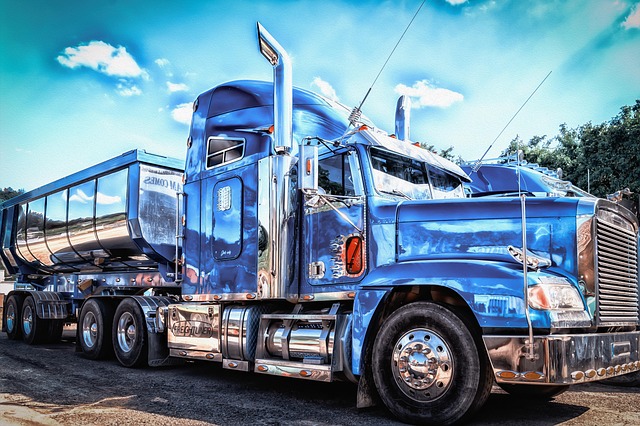
Select Electric Trucks are leading the electric mobility revolution, offering businesses cost savings, reduced emissions, and enhanced operations through advanced battery technology. Government regulations and consumer demand drive this shift. By 2030, global sales of electric commercial vehicles are projected to reach 4.5 million. Key considerations for fleet operators include charging infrastructure investment, route optimization, and strategic planning for long-term savings. Challenges include infrastructure development and battery technology advancements. Collaborative efforts between fleet managers and policymakers are crucial for a greener future in transportation.
The transportation sector faces a pivotal moment with the rise of climate change concerns. Heavy-duty trucks, long a significant contributor to greenhouse gas emissions, demand innovative solutions. The challenge lies in balancing environmental sustainability with efficient freight movement. Enter zero-emission heavy-duty trucks – a game-changing technology poised to revolutionize the industry. These Select Electric Trucks offer a promising path forward, addressing the need for cleaner, quieter, and more sustainable mobility. This article delves into the intricacies of these advanced vehicles, exploring their technical capabilities, environmental benefits, and potential impact on shaping a greener future for trucking.
- Understanding Zero-Emission Heavy-Duty Trucks
- The Rise of Electric Trucks in Transport
- Select Electric Trucks: Benefits and Technologies
- Future of Sustainable Trucking: Trends and Challenges
Understanding Zero-Emission Heavy-Duty Trucks

Zero-emission heavy-duty trucks are at the forefront of the electric mobility revolution, transforming the landscape of energy-efficient transportation. As businesses seek more sustainable solutions, these advanced electric vehicles (EVs) offer a promising path forward. Unlike their conventional counterparts, zero-emission trucks eliminate tailpipe emissions, contributing to cleaner air and reduced environmental impact. This shift towards electric mobility is not merely a trend but a necessary step to combat climate change.
The adoption of select electric trucks in the heavy-duty segment presents significant advantages. Firstly, they significantly reduce operational costs for businesses through lower energy consumption and minimal maintenance requirements compared to traditional diesel engines. For instance, studies show that electric trucks can save up to 30% on fuel expenses over their lifespan. Furthermore, these vehicles offer quieter operations, enhancing safety in urban environments. As government regulations tighten emissions standards, transitioning to zero-emission trucks becomes not only environmentally responsible but also strategically prudent for long-term business viability.
Implementing electric mobility requires careful planning and strategic considerations. Businesses should assess their current fleet, routes, and infrastructure needs. For instance, a logistics company might need to invest in fast charging stations along popular trucking routes or consider battery swapping technologies to minimize downtime. Success stories from early adopters demonstrate that with the right approach, electric vehicles for business can enhance operations, reduce environmental footprint, and contribute to a more sustainable future. The electric mobility revolution is here, and zero-emission heavy-duty trucks are leading the charge.
The Rise of Electric Trucks in Transport

The transportation industry is undergoing a quiet revolution as electric trucks emerge as a viable alternative to conventional heavy-duty vehicles. This shift towards zero-emission solutions is not merely a trend but a necessary step towards sustainability and reducing the environmental impact of the logistics sector. The rise of select electric trucks, particularly light duty electric trucks and electric semi-trucks for sale, offers promising solutions to address the challenges posed by climate change.
Electrification in heavy-duty vehicles has gained significant momentum in recent years, driven by stringent emission regulations and growing consumer demand for eco-friendly options. According to a report by BloombergNEF, global sales of electric commercial vehicles (EVs) are projected to reach 4.5 million by 2030, with a notable share coming from electric semi-trucks. This growth is being propelled by advancements in battery technology, decreasing costs, and increasing range, making electric trucks more accessible and attractive to fleet operators. For instance, companies like Tesla and Rivian have introduced all-electric pickup trucks capable of hauling significant loads, while established automotive giants are also investing heavily in developing their electric truck lineups.
While the initial investment for electric trucks may be higher than traditional diesel counterparts, the long-term operational savings and environmental benefits make them a compelling choice. Electric vehicles for hire, such as those used in ride-sharing services, can contribute to cleaner urban air and reduced noise pollution. Moreover, fleet operators can benefit from lower fuel costs and reduced maintenance expenses over time. As infrastructure supporting electric mobility continues to expand, including charging stations along major transportation routes, the adoption of these vehicles will only increase, paving the way for a greener and more sustainable future in the transport sector.
Select Electric Trucks: Benefits and Technologies
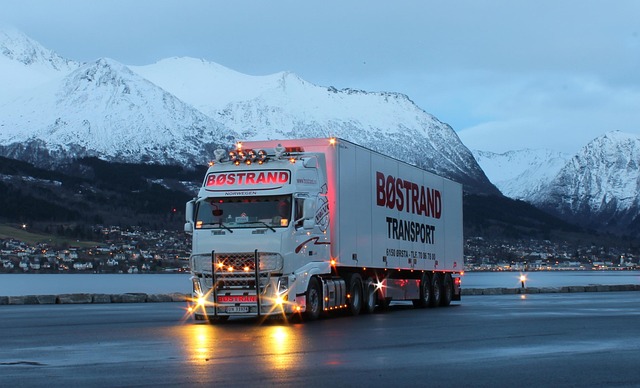
Selecting electric trucks, specifically zero-emission heavy-duty models, represents a strategic shift towards sustainability in the transportation sector. This transition offers significant environmental benefits, reducing greenhouse gas emissions and air pollution associated with traditional diesel vehicles. Key technologies driving this transformation include advanced battery systems, such as lithium-ion batteries with improved energy density, enabling longer ranges and faster charging times.
One notable example is the emergence of solar-powered semi-trucks, leveraging renewable energy to further enhance eco-friendliness. These trucks are equipped with high-efficiency solar panels designed to capture sufficient energy during daylight hours for extended operation, reducing reliance on conventional power sources. Additionally, e-bicycles for goods and electric pickup trucks tailored for off-roading showcase the versatility of electric mobility, catering to diverse transport needs while minimizing environmental impact.
When considering an electric truck, fleet operators should weigh factors like vehicle range, charging infrastructure availability, battery degradation rates, and initial acquisition costs versus long-term operational savings. Government incentives and grants aimed at promoting sustainable transportation can significantly offset upfront expenses. Moreover, integrating smart charging solutions and implementing route optimization strategies can maximize efficiency gains, ensuring a smoother transition to cleaner, more efficient trucking practices.
Future of Sustainable Trucking: Trends and Challenges

The future of trucking is rapidly taking shape, with a growing emphasis on sustainable practices and reducing emissions. Zero-emission heavy-duty trucks are no longer a distant concept but an imminent reality, reshaping the transportation industry. This shift towards low emission transportation is driven by both environmental urgency and economic incentives, as businesses and regulators recognize the significant impact of fleet operations on climate change. The trend is clear: electric trucks, particularly Select Electric Trucks, are poised to dominate the heavy-duty segment, offering a more environmentally friendly alternative to traditional gasoline-powered rigs.
The transition to electric heavy-duty vehicles presents both tremendous opportunities and unique challenges. On the one hand, electric trucks vs gasoline counterparts demonstrate compelling advantages in terms of cost savings, reduced emissions, and lower operational complexities. For instance, studies indicate that fleet operators can achieve significant fuel cost reductions, often recouping their investments within a few years, through the adoption of Select Electric Trucks. Moreover, these vehicles significantly decrease noise pollution, contributing to quieter urban environments. However, challenges remain, particularly in infrastructure development and battery technology advancements, which are crucial for addressing range anxiety and ensuring efficient charging networks for heavy-duty electric rigs.
To navigate these trends effectively, fleet managers and policymakers must collaborate on strategic planning. This includes investing in comprehensive charging infrastructure, incentivizing the purchase of electric trucks through subsidies or tax benefits, and fostering innovation in battery technology to enhance performance and longevity. By embracing these steps, the trucking industry can accelerate its move towards a more sustainable future while ensuring economic viability for all stakeholders. Ultimately, the successful integration of zero-emission heavy-duty trucks will not only mitigate environmental impacts but also drive a new era of efficient, eco-conscious transportation.
The article has provided a comprehensive overview of zero-emission heavy-duty trucks, highlighting their growing importance in the transport sector. Key insights include the significant environmental benefits of electric trucks, with a focus on reduced greenhouse gas emissions. Select Electric Trucks, as showcased, offer various technologies and benefits, such as advanced batteries and efficient motors, making them a viable solution for sustainability. The future of trucking looks promising, with trends indicating increased adoption of zero-emission vehicles; however, challenges like infrastructure development and cost remain. Readers can take away practical next steps by considering the benefits and technologies presented in Select Electric Trucks to contribute to a greener transportation industry. This authoritative piece equips individuals with the knowledge to drive meaningful change towards sustainable trucking practices.