
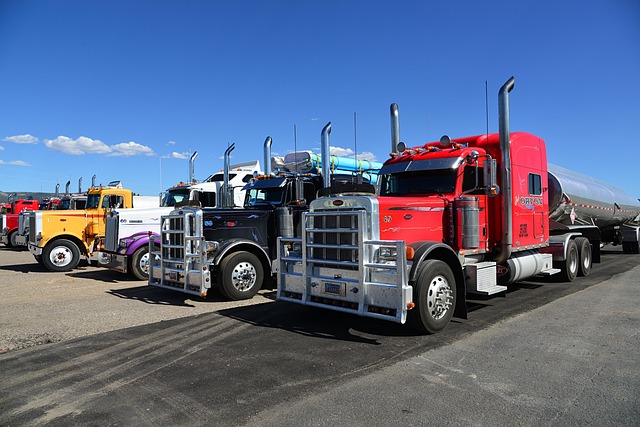
Select Electric Trucks revolutionize trucking with sustainable, efficient alternatives to diesel. Key factors for adoption include power output, torque, charging infrastructure compatibility, and government incentives. Green initiatives reduce operational costs and environmental impact by up to 50%. Innovations in battery tech and charging infrastructure address range anxiety and upfront costs. Major automakers invest in powerful electric semis, enhancing competitiveness and contributing to global sustainability goals.
The transportation industry is undergoing a significant transformation with the advent of high-performance electric semi trucks. As the demand for sustainable and efficient logistics solutions surges, the need for powerful yet eco-friendly vehicles becomes paramount. The challenge lies in bridging the gap between performance and environmental responsibility, especially in long-haul trucking. This article delves into the emergence of Select Electric Trucks as a game-changer in this realm. We explore their advanced technologies, impressive capabilities, and the potential they hold to revolutionize sustainable transportation, offering a promising path toward a greener future for the industry.
- Understanding High-Performance Electric Semi Trucks
- The Rise of Electric Vehicles in Transportation
- Key Components: Building a High-Performance Electric Semi
- Select Electric Trucks: Efficiency and Environmental Impact
- Challenges and Innovations in Electric Semi Technology
- Future of Transport: Electric Semis and Sustainability
Understanding High-Performance Electric Semi Trucks

High-Performance Electric semi trucks are revolutionizing the trucking industry by offering a sustainable and efficient alternative to traditional diesel-powered rigs. These advanced vehicles represent a significant step forward in green trucking initiatives, addressing both environmental concerns and operational challenges. Understanding their unique capabilities and considerations is crucial for businesses navigating this evolving landscape.
Electric vehicles for hire, particularly heavy-duty electric rigs, have made remarkable strides in recent years. Leading manufacturers like Tesla and other industry pioneers have developed semi trucks capable of matching, if not surpassing, the performance of their diesel counterparts. For instance, Tesla’s Semi boasts an impressive 500+ mile range on a single charge, enabling long-haul operations without the need for frequent refueling. Moreover, these electric trucks offer significant cost savings through reduced energy consumption and lower maintenance requirements compared to conventional vehicles.
When selecting Electric Trucks, fleet operators should prioritize performance metrics such as power output, torque delivery, and charging infrastructure compatibility. Many green trucking initiatives incentivize the adoption of electric semis by offering tax credits and subsidies. Businesses can leverage these opportunities to offset initial investment costs and accelerate their transition to cleaner transportation solutions. For instance, companies like UPS and FedEx have made substantial commitments to electrifying their fleets as part of broader sustainability strategies, demonstrating both environmental responsibility and operational excellence.
In conclusion, embracing high-performance electric semi trucks is not just a trend but a necessary step towards a more sustainable future for the trucking industry. By understanding the capabilities and considerations unique to these vehicles, businesses can make informed decisions that drive operational efficiency, cost savings, and environmental stewardship.
The Rise of Electric Vehicles in Transportation

The rise of electric vehicles (EVs) in transportation is not just a trend but a transformative movement towards sustainable and energy-efficient mobility. This shift is particularly prominent with the growing popularity of select electric trucks, which are redefining how we perceive and utilize commercial transport. The electric mobility revolution extends beyond mere vehicle change; it encompasses a holistic approach to reducing carbon emissions and mitigating environmental impact.
One notable trend is the increasing adoption of e-bicycles for goods delivery in urban areas. Electric bicycles offer an efficient, eco-friendly alternative to traditional gas-powered vehicles, especially for short-distance cargo transport. For instance, companies like Uber have launched electric bike delivery services, proving that this mode of transportation can significantly enhance last-mile logistics while reducing congestion and emissions. The integration of e-bicycles into urban infrastructure highlights the potential of electric mobility to revolutionize local goods movement.
Select electric trucks are also making significant inroads in long-haul trucking and public transportation sectors. These vehicles offer substantial fuel savings and reduced operational costs, compelling many fleets to make the switch. For example, Tesla’s Semi Truck promises impressive range and performance, attracting major carriers who seek to decrease their environmental footprint without compromising efficiency. As governments worldwide implement stricter emission norms, the demand for energy-efficient transportation will only intensify, further propelling the EV market forward.
To capitalize on this electric mobility revolution, businesses should strategically evaluate their transportation needs. Investing in electric vehicles and infrastructure can lead to substantial long-term savings and contribute to a greener future. Staying informed about advancements in battery technology and government incentives is crucial for making informed decisions. By embracing these changes, industries can drive sustainable practices while maintaining competitive edge in the evolving transport landscape.
Key Components: Building a High-Performance Electric Semi

High-performance electric semis are transforming the landscape of transportation, offering a sustainable alternative to traditional diesel-powered vehicles. Building a top-tier electric semi involves careful consideration of several key components. One of the most crucial decisions is selecting Electric Trucks naturally that align with specific operational needs. This selection should account for factors like battery technology, motor efficiency, and overall vehicle architecture. For instance, advanced lithium-ion batteries with high energy density can significantly enhance range, making them ideal for long-distance electric hauling.
Electric farm equipment presents a prime opportunity to leverage this technology. Farmers can benefit from reduced operational costs and lower environmental impact by transitioning to electric semis for tasks such as grain hauling or livestock transport. Sustainable fleet management requires a holistic approach, integrating not just the vehicle but also charging infrastructure and energy sourcing. Companies adopting electric semis should explore renewable energy options like solar or wind power for charging, further enhancing their carbon footprint reduction efforts.
Data from industry leaders shows that electric trucks can reduce greenhouse gas emissions by up to 50% compared to their diesel counterparts. Moreover, advanced motor technologies, such as permanent magnet motors, offer superior efficiency and torque, enabling smoother acceleration and improved performance in various terrains. For long-distance hauling, optimizing payload capacity and fuel (or energy) efficiency is paramount. Vehicle design should prioritize lightweight materials without compromising structural integrity to minimize overall weight and enhance range.
Actionable advice for building a high-performance electric semi includes collaborating with industry experts and leveraging existing infrastructure. Engaging with original equipment manufacturers (OEMs) specializing in electric vehicles ensures access to the latest innovations. Additionally, implementing intelligent fleet management systems allows real-time monitoring of vehicle performance, enabling data-driven decisions to optimize routes, reduce downtime, and maximize efficiency. Ultimately, embracing long-distance electric hauling—whether for transportation, farming, or other industries—represents a significant step towards a more sustainable future.
Select Electric Trucks: Efficiency and Environmental Impact

The shift towards sustainable transportation has prompted a significant focus on high-performance electric semi-trucks, particularly within the realm of eco-conscious delivery services. As global efforts to combat climate change intensify, green logistics companies are increasingly recognizing the substantial environmental and economic benefits offered by Select Electric Trucks. These state-of-the-art electric vehicles represent not just a technological advancement but a crucial step towards reducing carbon emissions and fostering a greener future for the logistics industry.
One of the most significant advantages of adopting Select Electric Trucks is the substantial reduction in operational costs and environmental impact. Electric semis produce zero tailpipe emissions, contributing to improved air quality and public health, especially in urban areas where delivery services are concentrated. For instance, a study by the International Energy Agency (IEA) found that electric trucks can reduce greenhouse gas emissions by up to 50% compared to their traditional diesel counterparts over their lifecycle. This shift towards green logistics is being accelerated by stringent environmental regulations and increasing consumer demand for eco-friendly products and services.
When considering the purchase or implementation of Select Electric Trucks, several key factors should guide decision-making. Firstly, evaluate the specific operational needs and terrain to ensure compatibility with the vehicle’s range and performance capabilities. Secondly, explore government incentives and grants designed to promote the adoption of electric vehicles in the logistics sector. Many countries offer substantial financial benefits, including tax credits and rebates, which can significantly offset the initial investment costs of state-of-the-art electric trucks. Lastly, partner with reputable green logistics companies that prioritize sustainable practices and have proven their commitment to reducing environmental footprints through successful electric fleet implementations.
Challenges and Innovations in Electric Semi Technology

The shift towards electric mobility is transforming the trucking industry, with a growing focus on high-performance electric semi-trucks as a sustainable alternative to gasoline-powered vehicles. However, the path to widespread adoption is fraught with challenges that must be addressed for this technology to reach its full potential. One of the primary hurdles is range anxiety—the fear of running out of charge before completing a journey. To counter this, innovations in battery technology are crucial. Manufacturers are investing heavily in developing more efficient, longer-lasting batteries with faster charging capabilities, such as solid-state batteries, which promise to revolutionize electric trucking.
Moreover, the cost of transitioning to electric trucks remains a significant concern for many fleet operators. Despite decreasing costs over time, the upfront investment in electric vehicles (EVs) is still higher than their gasoline counterparts. However, the long-term savings from reduced fuel and maintenance expenses cannot be overlooked. For instance, light-duty electric trucks like the Ford F-150 Lightning demonstrate that even in the popular pickup truck segment, EVs can offer substantial cost savings. As the production scales up and technologies mature, the economic benefits of electric trucks vs gasoline are expected to grow, making them a increasingly viable option.
The future of electric trucking also hinges on advancements in charging infrastructure. Quick charging stations along major transportation routes are essential to alleviate range anxiety for long-haul drivers. Several countries are already investing heavily in building extensive networks of fast chargers, recognizing the critical role they play in the widespread adoption of EVs. For instance, Europe’s e-Highway initiative aims to establish a network of electric truck charging stations, promoting the use of zero-emission vehicles. As these innovations mature and become more accessible, they will pave the way for increased electrification in both heavy-duty and light-duty segments, shaping a sustainable future for the trucking industry.
Future of Transport: Electric Semis and Sustainability

The future of transport is electric, and heavy-duty electric semi trucks are at the forefront of this mobility revolution. As the world shifts towards sustainable practices, the adoption of zero-emission vehicles (ZEVs) in the trucking industry has become a strategic necessity. The demand for more environmentally conscious transportation solutions is driving innovation in electric mobility, with significant advancements in battery technology and vehicle design. Select Electric Trucks are no longer a niche concept but a practical reality, offering substantial advantages over traditional diesel rigs.
Heavy-duty electric rigs, such as long-haul trucks and city delivery vehicles, are undergoing a transformation. Leading automotive manufacturers are investing heavily in developing more efficient, powerful, and reliable electric semi-trucks. For instance, major players like Tesla and Ford have introduced impressive ZEVs, showcasing the potential for significant reductions in carbon emissions. These electric mobility solutions not only address environmental concerns but also offer economic benefits, including lower operational costs and reduced maintenance expenses compared to their diesel counterparts.
The transition to electric semis is a critical step towards achieving sustainability goals, particularly in urban areas prone to air pollution. As governments worldwide implement stricter emission standards, the market for electric trucks is poised for rapid growth. Businesses adopting early on will gain a competitive edge while contributing to a greener future. To ensure success, fleet operators should consider factors like infrastructure availability, battery range, and charging options when transitioning to Select Electric Trucks. This strategic approach will facilitate a seamless shift towards a more sustainable transportation ecosystem.
The article has comprehensively explored the landscape of high-performance electric semi trucks, highlighting their growing significance in transportation. Key insights include the fundamental role of understanding these vehicles’ unique components, addressing challenges through innovation, and recognizing the substantial environmental benefits. The rise of electric vehicles is not just a trend but a necessary step towards sustainability, with select electric trucks proving their efficiency and potential. Looking ahead, the future of transport leans heavily on the continued development and adoption of electric semi technology, offering a greener, more environmentally conscious path forward. By selecting electric trucks wisely, we can drive significant changes in our transportation sector.