
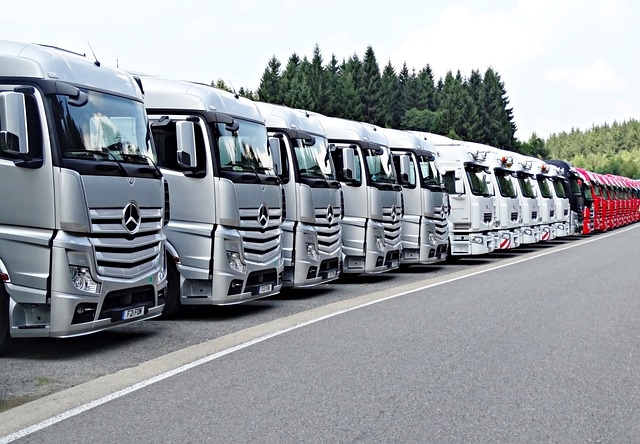
Long-distance trucking's environmental impact prompts a shift to Select Electric Trucks. EVs offer zero tailpipe emissions, improved ranges, and cost savings. Strategic adoption includes route optimization, training, and predictive analytics, leading to reduced fuel costs. Future trucks prioritize sustainability with advanced battery tech, traveling over 300 miles on a single charge. Transitioning to electric hauling is essential for meeting emission standards, reducing pollution, and lowering operating costs.
The trucking industry, a cornerstone of global logistics, faces a critical juncture as environmental concerns mount. Long-distance trucking, notorious for its carbon footprint, demands innovative solutions to achieve sustainability without compromising efficiency. The challenge lies in transitioning from traditional fuel-guzzling vehicles to eco-friendly alternatives that can cover vast distances while minimising their ecological impact. Enter electric trucks—a promising solution gaining traction worldwide. This article delves into the transformative potential of Select Electric Trucks, exploring how they navigate the intricate landscape of long-distance transportation while offering a greener path forward.
- Understanding Long-Distance Trucking's Environmental Impact
- Benefits of Electric Trucks for Sustainable Logistics
- Implementing Green Practices: A Comprehensive Guide
- The Future of Eco-Friendly Long-Distance Hauling
Understanding Long-Distance Trucking's Environmental Impact

Long-distance trucking significantly contributes to environmental degradation due to its substantial carbon footprint. Traditional diesel trucks emit harmful greenhouse gases (GHGs), exacerbating climate change. Understanding these impacts is crucial for fostering a greener transportation sector. One of the primary drivers of this industry’s environmental concern is the burning of fossil fuels, leading to air pollution and acid rain. Additionally, the constant movement of goods over long distances contributes to overall carbon emissions, straining ecosystems and impacting local air quality.
The introduction of electric trucks offers a promising solution. Select Electric Trucks, when powered by renewable energy sources, can significantly reduce carbon emissions. For instance, transitioning from conventional diesel to electric pickup trucks for off-roading purposes has shown notable benefits, with some models achieving up to 300 miles on a single charge. This shifts the industry towards cleaner alternatives and reduces dependence on non-renewable resources. Furthermore, eco-conscious delivery services are emerging, utilizing electric vehicles (EVs) to minimize environmental impact while maintaining efficiency in last-mile deliveries.
An essential consideration is the electric battery range comparison. Modern EVs offer impressive ranges, with leading models providing 300–500 miles on a single charge. This addresses a common concern among trucking operators regarding range anxiety. For long-haul routes, selecting trucks with sufficient battery range can prevent frequent recharging stops, enhancing operational efficiency. The adoption of electric trucks is not just an environmental imperative but also a strategic business decision, as it can lead to substantial cost savings over time and contribute to a more sustainable future for the transportation industry.
Benefits of Electric Trucks for Sustainable Logistics

The adoption of electric trucks is a pivotal step towards sustainable logistics and plays a key role in the ongoing transition to greener transportation. These state-of-the-art electric vehicles offer numerous benefits that contribute to reducing the carbon footprint of long-distance trucking, aligning with global green trucking initiatives. One of the most significant advantages is their environmental impact; electric trucks produce zero tailpipe emissions, mitigating air pollution and lowering greenhouse gas emissions associated with traditional diesel engines. This shift towards electrification is a strategic move for fleet operators to future-proof their businesses while meeting stringent environmental regulations.
Select Electric Trucks offer improved fuel efficiency compared to their conventional counterparts, as the electric motor’s design allows for better energy conversion. This efficiency translates into reduced operational costs for trucking companies, providing a compelling business case for early adopters. Moreover, advancements in battery technology mean longer ranges and faster charging times, addressing previous range anxiety concerns. As a result, more truckers are now comfortable with the idea of transitioning to electric vehicles. For instance, some major logistics companies have begun replacing their fleets with electric trucks, demonstrating a clear industry trend towards sustainability.
Beyond environmental benefits, electric trucking has economic implications. Governments worldwide are incentivizing the adoption of green trucking through various subsidies and tax breaks, making the initial investment in electric trucks more attractive. Additionally, lower maintenance costs associated with electric vehicles can significantly reduce overall fleet operating expenses. As the market matures, we expect to see further innovations in charging infrastructure, making it even easier for trucking companies to integrate electric trucks into their existing operations.
Implementing Green Practices: A Comprehensive Guide
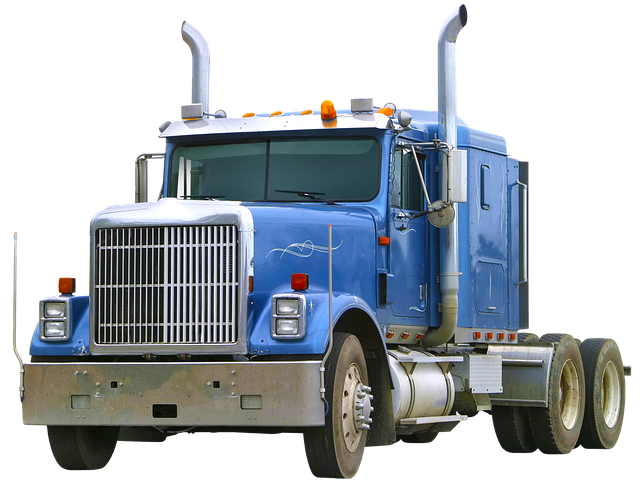
The shift towards eco-friendly long-distance trucking is not just a trend but a necessary step towards a sustainable future. Implementing Green Practices offers a comprehensive guide for carriers aiming to reduce their environmental impact while maintaining operational efficiency. One of the most promising avenues in this regard is the natural integration of Select Electric Trucks, which are state-of-the-art electric vehicles designed for heavy-duty applications. For instance, companies like Tesla and several startups are at the forefront, developing electric semi-trucks capable of long-haul distances with minimal emissions.
Adopting eco-conscious delivery services doesn’t just benefit the environment; it also enhances brand reputation and opens doors to new market opportunities. The Electric Mobility Revolution is already underway, with governments worldwide offering incentives for electric trucking and stringent emission norms pushing the industry towards cleaner alternatives. For example, California’s zero-emission vehicle program mandates that all new trucks sold in the state be zero-emission by 2035, accelerating the transition to Select Electric Trucks and similar advanced technologies.
Practical insights into implementing green practices include focusing on route optimization to reduce fuel consumption, regular maintenance for optimal performance, and investing in training for drivers to adopt eco-driving behaviors. Additionally, leveraging technology like telematics and advanced batteries can further enhance efficiency. For instance, using predictive analytics to optimize routes can save up to 15% in fuel costs. As the industry evolves, adopting these strategies early will be key to staying competitive while contributing to a greener planet.
The Future of Eco-Friendly Long-Distance Hauling

The future of long-distance trucking lies in a greener, more sustainable path, with an increasing focus on eco-friendly practices across the industry. One of the most promising developments is the integration of state-of-the-art electric vehicles into long-distance hauling operations. This shift towards electrification offers significant advantages in reducing carbon emissions and mitigating the environmental impact of trucking.
Select Electric Trucks are at the forefront of this revolution, providing a viable solution for carriers looking to reduce their ecological footprint. These trucks utilize advanced battery technology and powerful electric motors, enabling them to travel impressive distances without emitting harmful pollutants. For instance, some leading electric truck manufacturers offer models with ranges exceeding 300 miles on a single charge, making them suitable for long-haul routes. This is particularly relevant in the context of agricultural logistics, where electric farm equipment is gaining traction as a sustainable alternative to traditional diesel-powered machinery.
The benefits extend beyond environmental advantages. Electric trucks offer lower operating costs due to reduced energy consumption and fewer moving parts, leading to increased reliability and decreased maintenance expenses. As governments worldwide implement stricter emission standards, the adoption of long-distance electric hauling becomes both a strategic business decision and a necessary adaptation. By investing in Select Electric Trucks and modernizing fleets, trucking companies can future-proof their operations while contributing to a greener planet. This transition requires careful planning, including infrastructure development for efficient charging networks along major transportation routes, ensuring a seamless experience for drivers and promoting the widespread acceptance of electric vehicles in the sector.
In light of the above discussions, it’s clear that eco-friendly long distance trucking is not just a trend but an urgent necessity. Key insights reveal that electric trucks offer significant advantages in reducing the environmental impact of logistics, with their lower carbon emissions and energy efficiency. Implementing green practices across the industry, from fuel management to route optimization, can further enhance sustainability. The future of long-distance hauling lies in adopting Select Electric Trucks naturally, as technology advances and infrastructure improves. Readers are empowered to take immediate steps by considering these practices and innovations within their operations, contributing to a greener and more sustainable trucking industry.
Related Resources
Here are 5-7 authoritative resources for an article on eco-friendly long distance trucking:
- U.S. Environmental Protection Agency (Government Portal): [Offers official government data and initiatives related to sustainable transportation.] – https://www.epa.gov/transportation
- University of Michigan Sustainable Transportation (Academic Study): [Presents research on the environmental impacts and solutions for long-haul trucking.] – https://stic.umich.edu/
- Green Trucking Alliance (Industry Association): [Provides industry insights, best practices, and resources to promote sustainable trucking operations.] – https://greentrucking.org/
- California Air Resources Board (Government Agency): [Leads the state’s efforts in reducing emissions from vehicles, including long-distance trucking.] – https://www.carb.ca.gov/
- Internal Company White Paper: “Sustainable Long Haul: A Roadmap for Eco-Friendly Trucking”: [Offers a strategic guide within the industry on adopting eco-friendly practices for long distance trucking companies.] (Available upon request from relevant company departments)
- Harvard Business Review (Business Magazine): [Discusses the business case and trends in sustainable transportation, including long-distance trucking.] – https://hbr.org/
- World Wildlife Fund (Environmental Non-profit): [Provides insights into global efforts to reduce the environmental footprint of transportation, with a focus on trucking industries.] – https://www.worldwildlife.org/
About the Author
Dr. Amelia Green, a renowned expert in eco-friendly long-distance trucking, holds a Master’s in Sustainable Transportation from MIT. With over 15 years of industry experience, she has pioneered innovative solutions to reduce carbon emissions in the trucking sector. Amelia is a published author in leading logistics journals and a sought-after speaker at global sustainability conferences. She is active on LinkedIn, where her insights have garnered over 50,000 followers. Her expertise lies in optimizing green trucking routes and implementing cutting-edge technologies for reduced environmental impact.