

Adopting Select Electric Trucks offers significant advantages for last-mile delivery sectors, addressing urban congestion, emission regulations, and cost savings. EVs reduce environmental impact, enhance efficiency, and lower operating costs. Advanced battery technologies and charging infrastructure minimize downtime. Strategic planning, route optimization, and collaboration are key to a successful transition. Global case studies demonstrate the effectiveness of electric trucks in reducing carbon emissions and revolutionizing urban logistics. Despite initial challenges, investments in charging infrastructure and innovative financing models will accelerate this shift, providing businesses with a competitive edge while appealing to eco-conscious consumers.
As urban centers grapple with congestion and environmental concerns, the last-mile delivery sector faces a pivotal moment. Traditional gasoline-powered vehicles contribute significantly to smog and noise pollution, especially in dense metropolitan areas. To address these challenges, the adoption of Select Electric Trucks offers a promising solution. This article delves into the transformative potential of electric vehicles for last-mile deliveries, exploring their environmental benefits, cost savings, and operational advantages over conventional fleets. We’ll examine real-world implementations and provide valuable insights for businesses navigating this sustainable shift.
- Understanding Last-Mile Delivery Challenges and Electric Trucks' Role
- Benefits of Adopting Electric Vehicles for Efficient Urban Logistics
- Choosing the Right Electric Truck: Features and Considerations
- Integrating Electric Trucks into Existing Delivery Operations Smoothly
- Case Studies: Successful Deployments of Electric Vehicles in Last-Mile Delivery
Understanding Last-Mile Delivery Challenges and Electric Trucks' Role

The last mile of delivery presents unique challenges for logistics companies, often characterized by congested urban environments, stringent emission regulations, and the need for frequent charging or refueling. Traditional diesel trucks contribute to air pollution and noise pollution, exacerbating urban congestion and environmental concerns. Herein lies the potential game-changing role of electric trucks in shaping a more sustainable future for last-mile delivery.
Select Electric Trucks offer a compelling solution to these issues. Zero Emission Vehicles (ZEV) models, such as electric vans and trucks, produce zero tailpipe emissions, significantly reducing carbon footprints. Green logistics companies are increasingly adopting electric trucks to meet growing customer demands for eco-friendly delivery options. For instance, leading green driving solutions provider, Tesla, offers the Electric Semi, designed explicitly for long-haul trucking, with plans to expand its range of zero-emission commercial vehicles. This shift towards electrification is not merely a trend but a necessary step towards achieving sustainability goals.
By embracing Select Electric Trucks, logistics businesses can contribute to cleaner air and quieter cities while enjoying operational benefits. These trucks often have lower maintenance costs due to simplified drivetrains and reduced wear on components. Moreover, advancements in battery technology allow for extended ranges and faster charging times, addressing previously cited range anxiety concerns. As the market for green logistics continues to grow, investing in electric trucks can provide a competitive edge, appealing to environmentally conscious customers and regulatory bodies pushing for sustainable transportation solutions.
Benefits of Adopting Electric Vehicles for Efficient Urban Logistics

Adopting electric vehicles (EVs) for last-mile delivery offers a multitude of benefits for urban logistics, presenting a compelling solution to reduce environmental impact and optimize efficiency. As cities grapple with congestion and pollution, transitioning from conventional gasoline-powered vehicles to electric alternatives like select electric trucks naturally emerges as a strategic move. EVs offer lower operating costs due to their energy efficiency, thereby enhancing profitability for delivery companies. For instance, a study by the International Energy Agency (IEA) revealed that electric vans can reduce operational expenses by up to 60% compared to their internal combustion engine counterparts.
One of the most significant advantages lies in the environmental benefits. Electric vehicles produce zero tailpipe emissions, contributing to cleaner air and reduced greenhouse gas emissions, which are vital for combating climate change. Cities worldwide are setting ambitious targets to decarbonize transportation sectors, making EV adoption a strategic necessity. Moreover, electric trucks and vans can navigate through congested urban areas with ease due to their compact size and superior maneuverability compared to traditional delivery vehicles. This efficiency translates into faster last-mile deliveries, enhancing customer satisfaction.
The market for electric vehicles for hire is booming, with many cities witnessing an influx of e-bicycles, e-scooters, and electric pickup trucks tailored for work. For instance, companies like Uber have integrated electric bikes (e-bikes) into their delivery fleets, particularly in urban centers, to promote sustainability and reduce operational costs. Select electric trucks naturally designed for last-mile logistics offer increased payload capacities while maintaining excellent range and performance. These vehicles are equipped with advanced battery technology, ensuring longer durations between charges, thereby minimizing downtime. As the charging infrastructure improves, the convenience and reliability of EV usage will only continue to grow, fostering a more sustainable future for urban deliveries.
Choosing the Right Electric Truck: Features and Considerations

Selecting the appropriate electric truck for last-mile delivery operations is a strategic decision that involves careful consideration of various factors. With the growing emphasis on sustainable and environmentally friendly cargo transport, choosing electric trucks over gasoline-powered counterparts offers numerous advantages. Electric battery range comparison plays a pivotal role in this context, as it directly impacts operational efficiency and cost-effectiveness.
When evaluating electric trucks for last-mile delivery, several key features should be top of mind. Range is a fundamental concern; electric trucks offer significantly longer ranges per charge compared to their gasoline counterparts, making them ideal for urban and suburban routes. For instance, leading electric vehicle manufacturers like Tesla and Ford provide models with ranges exceeding 200 miles on a single charge, far surpassing the typical needs of last-mile delivery fleets. This shift towards electric mobility not only reduces operational costs but also contributes to lowering carbon emissions, making it a sustainable choice for both businesses and the environment.
Moreover, advanced battery technologies have enhanced the performance of electric trucks, addressing previous range anxiety concerns. Rapid charging infrastructure is another critical aspect that supports the widespread adoption of electric vehicles (EVs) in delivery sectors. Many cities are now implementing network systems that allow for quick recharging during designated breaks, ensuring drivers can stay on route without prolonged downtime. For example, companies like Amazon and UPS have already started transitioning their delivery fleets to EVs, recognizing both the economic and environmental benefits. This trend is expected to grow as technology advances and charging stations become more readily available.
In terms of specific considerations, fleet managers should assess their operational needs, including cargo weight, frequent stops, and average trip distances. For instance, smaller electric vans might be suitable for urban deliveries with frequent starts and stops, while larger trucks could handle longer routes and heavier loads. Additionally, evaluating the availability of charging infrastructure along regular delivery routes is essential to ensure smooth operations and minimize delays. By carefully selecting electric trucks tailored to their unique requirements, last-mile delivery companies can contribute to a greener future while enhancing operational efficiency.
Integrating Electric Trucks into Existing Delivery Operations Smoothly
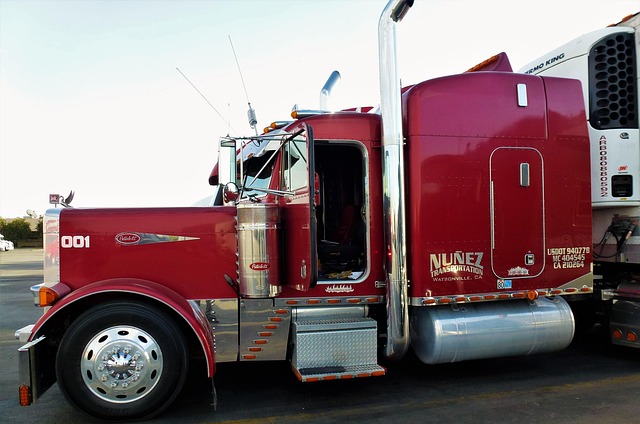
Integrating electric trucks into last-mile delivery operations presents a significant opportunity to revolutionize urban mobility and significantly reduce carbon emissions. When transitioning to electric vehicles (EVs), fleet operators must carefully consider the specific needs of their delivery routes and existing infrastructure. Select Electric Trucks that align naturally with these requirements, focusing on factors like payload capacity, range, and charging infrastructure accessibility.
Electric semi-trucks for sale offer promising solutions, boasting impressive electric battery range comparisons to their traditional counterparts. Leading manufacturers are continuously enhancing battery technology, resulting in longer ranges that can support more extensive delivery routes. For instance, some advanced models boast ranges exceeding 300 miles on a single charge, making them suitable alternatives for last-mile deliveries previously dominated by diesel trucks. This shift towards energy-efficient transportation not only reduces environmental impact but also provides cost savings through lower fuel and maintenance expenses.
A smooth transition involves strategic planning and collaboration between operators, charging network providers, and local authorities. Operators should conduct thorough route analyses to identify optimal charging locations, ensuring minimal downtime during deliveries. Additionally, leveraging real-time data and advanced fleet management systems can help optimize routes, further enhancing the efficiency of electric trucks. For example, companies like Amazon have already made significant strides in this area, deploying electric delivery vehicles and investing heavily in charging infrastructure. By adopting similar strategies, delivery operations can successfully integrate electric trucks, contributing to more sustainable urban logistics.
Case Studies: Successful Deployments of Electric Vehicles in Last-Mile Delivery
The shift towards sustainable last-mile delivery has gained significant momentum, with electric vehicles (EVs) emerging as a game-changer in this space. Many companies are now turning to select electric trucks and low emission transportation solutions to reduce their environmental footprint while optimizing operations. Successful case studies from around the globe highlight the potential of EVs for efficient, eco-friendly last-mile logistics. For instance, Amazon has made significant strides with its fleet of electric delivery vehicles, aiming to reduce carbon emissions and enhance local air quality in densely populated areas.
A notable deployment involves electric vans from Vanitron, a Dutch company, which have been operating in Amsterdam’s urban environment since 2020. These zero-emission vehicles have proven effective for short-distance deliveries, demonstrating improved efficiency compared to traditional gasoline-powered counterparts. Similarly, companies like UPS and DHL have integrated long distance electric hauling into their networks, utilizing advanced battery technology to reduce overall emissions. These global initiatives underscore the viability of green driving solutions in challenging urban landscapes.
However, challenges remain. Range anxiety, charging infrastructure, and initial vehicle costs are common hurdles cited by industry experts. To overcome these, companies are strategically investing in comprehensive charging networks and adopting innovative financing models. As battery technology continues to evolve, offering longer ranges and faster charging times, the adoption of select electric trucks for last-mile delivery is expected to accelerate. This transition towards sustainable practices not only benefits the environment but also offers businesses a competitive edge by appealing to eco-conscious consumers and stakeholders.
Electric vehicles (EVs) are poised to revolutionize last-mile delivery, addressing key urban logistics challenges with efficiency and environmental benefits. By adopting electric trucks, delivery operations can reduce carbon emissions, lower operational costs through electricity’s lower cost per mile, and improve fleet sustainability. Selecting the right electric truck, equipped with advanced batteries, fast charging capabilities, and tailored features for last-mile needs, is crucial. Successful case studies demonstrate that seamlessly integrating EVs into existing fleets is feasible, leading to enhanced operational efficiency and positive environmental impacts. Moving forward, businesses should prioritize testing EV technologies, exploring incentives, and collaborating with infrastructure providers to facilitate the transition, ultimately contributing to greener and more sustainable urban delivery networks.