

Construction sites are adopting Select Electric Trucks to reduce their carbon footprint and lower operational costs. These eco-friendly vehicles replace diesel or gasoline options, significantly cutting greenhouse gas emissions. By integrating electric trucks and e-bicycles, companies enhance sustainability while transporting goods efficiently. Aligning truck choices with site needs, such as solar-powered haulers for sunny locations, is crucial. Strategically placing fast chargers ensures convenient and efficient operations. This shift to zero-emission fleets offers substantial cost savings, minimizes environmental impact, and supports the global electric mobility revolution. Select Electric Trucks are transforming the construction industry with enhanced sustainability and operational efficiency.
Construction fleets are undergoing an electrifying transformation with the advent of zero-emission vehicles. This shift promises not only to mitigate environmental impact but also to drive down costs for construction companies. In this comprehensive guide, we explore the rise of electric trucks, their benefits, and the crucial factors in choosing the right models. We delve into essential infrastructure and charging solutions, analyze cost savings and environmental impacts, and look ahead to future trends shaping the sustainable construction landscape.
- Electric Trucks: Powering Sustainable Construction Sites
- Benefits of Zero-Emission Fleet Adoption
- Choosing the Right Electric Truck Models
- Infrastructure and Charging Solutions for Construction
- Environmental Impact and Cost Savings Analysis
- Future Trends in Electric Construction Vehicles
Electric Trucks: Powering Sustainable Construction Sites

Construction sites are evolving to become more sustainable, and a significant shift is the adoption of electric trucks for transportation on these sites. These vehicles represent a key strategy in reducing the carbon footprint of construction activities, which traditionally contribute significantly to greenhouse gas emissions. By selecting electric trucks, construction companies can make a substantial impact on lowering their environmental impact.
Electric trucks offer an eco-friendly alternative to conventional diesel or gasoline-powered vehicles. They are equipped with powerful electric motors and rechargeable batteries, enabling them to transport goods and materials across construction sites efficiently. Moreover, the integration of e-bicycles for shorter distance goods transportation further enhances the sustainability of these fleets, contributing to a greener construction process overall.
Benefits of Zero-Emission Fleet Adoption

The adoption of zero-emission construction fleets offers a multitude of benefits that extend beyond environmental preservation. By transitioning to Select Electric Trucks, construction companies can significantly reduce their operational costs. Electric semi-trucks for sale in the market today come equipped with advanced technologies, offering superior performance while consuming less energy compared to traditional diesel models. This shift not only lowers fuel expenses but also minimizes maintenance overhead, as electric vehicles have fewer moving parts and require less frequent servicing.
Moreover, integrating charger infrastructure map into daily operations paves the way for efficient and sustainable business practices. The availability of charging stations allows construction fleets to operate without interruption, ensuring that work sites are never left idle due to battery concerns. This advancement in electric vehicle technology for businesses further reinforces the environmental benefits, as it reduces noise pollution and minimizes the carbon footprint associated with traditional fuel-based vehicles.
Choosing the Right Electric Truck Models
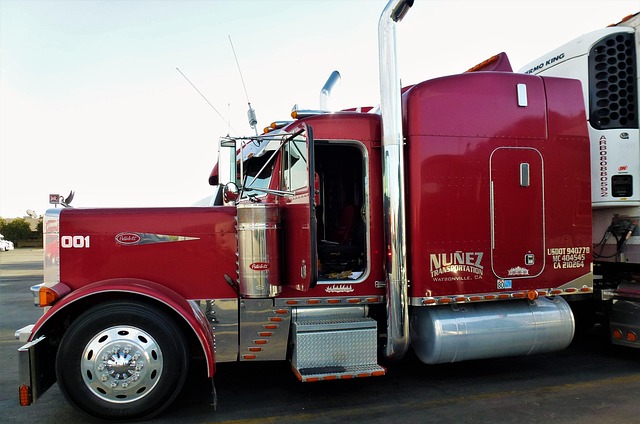
When it comes to transitioning to a zero-emission construction fleet, choosing the right electric truck models is paramount. Businesses should consider their specific needs and operational requirements when selecting electric vehicles. For instance, solar-powered haulers could be an innovative option for projects with ample sunlight exposure, offering a sustainable and cost-effective solution. Alternatively, zero-emission delivery vans are ideal for urban construction sites aiming to reduce air pollution in densely populated areas.
Several factors influence the selection process. Range and battery capacity are key considerations, especially for remote or extensive job sites. Additionally, charging infrastructure plays a vital role; proper access to charging stations can streamline operations and ensure fleet readiness. Lastly, integrating electric vehicles into existing logistics chains may require modifications, but these steps are necessary to embrace eco-friendly practices and leverage the advantages of electric vehicles in construction, including reduced operational costs and lower environmental impact.
Infrastructure and Charging Solutions for Construction

The transition to zero-emission construction fleets requires robust and accessible charging infrastructure. This involves strategic placement of fast chargers along popular construction routes and at key job sites, addressing a critical need for convenience and efficiency among construction companies adopting electric trucks. A well-designed charger infrastructure map can help navigate these networks, ensuring quick charging times while minimizing downtime.
Selecting electric trucks must be accompanied by investments in eco-friendly commercial vehicle charging solutions. These sustainable transportation networks not only support the wider adoption of green vehicles but also enhance safety and reduce environmental impact on construction sites. With proper planning and collaboration between manufacturers, governments, and industry stakeholders, these charging solutions can accelerate the shift towards a cleaner, more efficient future for construction.
Environmental Impact and Cost Savings Analysis

The construction industry’s transition to zero-emission fleets is not just an eco-friendly move; it presents a compelling case for cost savings. By adopting electric trucks, builders can significantly reduce operational expenses associated with traditional diesel vehicles. These savings stem from lower fuel costs, as electricity is generally cheaper than fossil fuels, and the reduced maintenance requirements of electric motors. Over time, this shift can lead to substantial financial benefits for construction companies.
Moreover, the environmental impact of these changes is profound. Select Electric Trucks and e-bicycles for goods transport contribute to cleaner air and a healthier environment, particularly in urban areas. This shift supports the broader electric mobility revolution, reducing greenhouse gas emissions and aligning with global sustainability goals. With a well-planned charger infrastructure map, construction sites can ensure efficient charging options, further streamlining operations and fostering an eco-conscious future.
Future Trends in Electric Construction Vehicles

The future of construction sites is set to be dominated by zero-emission fleets, as the industry shifts towards a more sustainable and eco-conscious approach. Electric construction vehicles are no longer a niche concept but an emerging reality, with significant advancements in technology making them increasingly viable alternatives to traditional diesel-powered machines. As we look ahead, the trend indicates a rapid growth in adoption of electric trucks specifically designed for construction purposes.
These innovative solar-powered haulers and best electric pickup trucks for work are not just environmentally friendly but also offer substantial economic benefits. Electric vehicles for hire are becoming more common as projects require specialized equipment, leading to reduced operational costs and lower carbon footprints. With ongoing improvements in battery technology, these vehicles promise extended ranges and faster charging times, addressing previous concerns about their limitations.
Zero-emission construction fleets represent a significant step towards sustainable building practices. By adopting electric trucks, construction sites can reduce their carbon footprint, enjoy cost savings through lower energy and maintenance expenses, and contribute to cleaner air. When selecting the right electric truck models, investing in appropriate infrastructure and charging solutions, and understanding the environmental impact, the benefits of these fleets become clear. As the technology continues to evolve, the future of electric construction vehicles looks promising, offering a more sustainable and efficient path for the industry. Consider the shift to electric trucks to stay ahead in the green revolution.