

The rise of electric delivery vans marks a significant shift in trucking, driven by environmental concerns and regulatory pressures like emission zones in cities worldwide. Technological advancements have improved battery ranges and charging times, making electric trucks viable for long distances. Major logistics companies are integrating Select Electric Trucks, offering cost savings, reduced maintenance, and lower environmental impact. Key benefits include:
– Cost savings up to $7,500 over a vehicle's lifetime compared to conventional models.
– Zero tailpipe emissions and potential carbon neutrality when powered by renewable sources.
– Reduced downtime and higher productivity due to simpler servicing routines.
– Longer ranges (up to 500 miles), faster charging times, and enhanced performance.
A strategic approach for fleet managers adopting Select Electric Trucks involves:
1. Evaluating market options.
2. Conducting a comprehensive fleet audit.
3. Developing a rollout strategy with pilot projects.
4. Building essential infrastructure for reliable charging access.
The shift towards sustainable transportation has pushed the delivery industry to embrace electric vehicles, specifically Select Electric Trucks, as a key component of its future. As urban areas grapple with congestion and pollution, highway-ready electric delivery vans emerge as a promising solution. However, the current landscape presents challenges like limited range, inadequate charging infrastructure, and high upfront costs. This article delves into the intricacies of these obstacles and offers insights into how advancements in battery technology, expanding charging networks, and financial incentives are paving the way for a greener future. We explore strategies to overcome barriers and equip fleet managers with the knowledge to make informed decisions regarding the adoption of Select Electric Trucks, ensuring a sustainable and efficient delivery system.
- Understanding the Rise of Electric Delivery Vans
- Benefits of Transitioning to Select Electric Trucks
- Key Features of Highway-Ready Electric Vehicles
- Environmental Impact: A Greener Delivery Future
- Economic Considerations for Fleet Owners
- Implementation Strategies: A Step-by-Step Guide
Understanding the Rise of Electric Delivery Vans

The rise of electric delivery vans is a significant shift in the trucking industry, driven by the need for sustainable and cost-effective transportation solutions. As concerns over environmental impact grow, many companies are turning to Select Electric Trucks as a viable alternative to traditional diesel-powered vehicles. The adoption of electric trucks isn’t just a trend; it’s a strategic response to both regulatory pressures and consumer demands for greener options.
One key driver is the increasing popularity of green trucking initiatives globally. Governments and businesses alike are setting ambitious targets to reduce carbon emissions, pushing the need for low-emission or zero-emission vehicles. Electric delivery vans offer a significant reduction in greenhouse gas emissions compared to their conventional counterparts, making them an attractive choice for urban areas where air quality is a pressing issue. For instance, cities like London have implemented strict emission zones, effectively banning older diesel trucks, which has accelerated the transition to electric mobility.
Moreover, long-distance electric hauling is no longer the niche domain it once was. Technological advancements have led to improved battery ranges and faster charging times, enabling electric trucks to handle increasingly demanding routes. Major logistics companies are now integrating electric delivery vans into their fleets, demonstrating that these vehicles can meet the rigorous demands of modern supply chains. For example, UPS has committed to deploying thousands of electric vehicles by 2025, reflecting a strategic shift towards alternative fuel sources for trucks and a commitment to sustainable green trucking initiatives.
This transition presents both opportunities and challenges. Companies considering the move should assess their operational needs, infrastructure capabilities, and potential cost savings. While upfront costs for Select Electric Trucks may be higher, operational expenses are often lower due to reduced fuel and maintenance costs. Additionally, exploring government incentives and grants designed to promote green trucking can provide significant financial support. By embracing these alternatives, businesses not only contribute to a cleaner environment but also position themselves as industry leaders in sustainable practices.
Benefits of Transitioning to Select Electric Trucks

The transition to Select Electric Trucks for delivery services offers a multitude of benefits, presenting a compelling case for businesses looking to future-proof their fleets while contributing to environmental sustainability. One of the most significant advantages is the substantial reduction in operational costs. Electric vehicles (EVs), particularly Select Electric Trucks designed for heavy-duty use, boast lower energy consumption compared to traditional gasoline or diesel models. This cost savings is not only reflected in reduced fuel expenses but also maintains consistent performance even in the face of rising fossil fuel prices. For instance, a study by the Union of Concerned Scientists found that over a vehicle’s lifetime, electric trucks can save owners up to $7,500 in fuel costs compared to their conventional counterparts.
Moreover, Select Electric Trucks contribute significantly to carbon footprint reduction, aligning with global efforts to combat climate change. EVs produce zero tailpipe emissions, which, when powered by renewable energy sources like solar power, can make delivery operations virtually carbon-neutral. Solar-powered haulers are emerging as a game-changer in sustainable logistics, offering not just environmental benefits but also cost savings over time. Businesses adopting these innovations can position themselves as environmentally responsible corporate citizens while reducing their exposure to volatile fossil fuel markets.
Another practical advantage of Select Electric Trucks is the decreasing downtime for maintenance. EVs have fewer moving parts than internal combustion engines, leading to simpler servicing routines and less time spent offline. This efficiency translates into higher productivity and better utilization of fleet assets. For example, companies like UPS have successfully integrated electric delivery vehicles into their operations, demonstrating improved operational efficiency and reduced environmental impact. As technology advances, best electric pickup trucks for work are becoming more capable, offering longer ranges, faster charging times, and enhanced performance, making them increasingly attractive options for businesses seeking to modernize their fleets.
Key Features of Highway-Ready Electric Vehicles
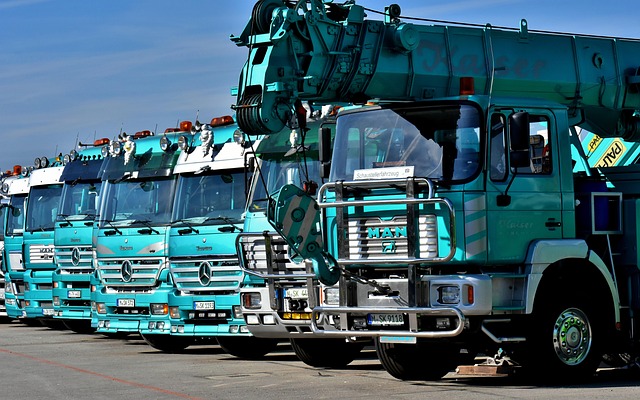
The shift towards sustainable fleet management is accelerating, with electric farm equipment and trucks emerging as a key component of this transformation. As we look to the future of electric trucking, highway-ready electric delivery vans are at the forefront of this revolution, promising significant environmental benefits while enhancing operational efficiency. These vehicles not only contribute to reduced carbon emissions but also offer cost savings through lower energy consumption and simplified maintenance.
Key features of these advanced electric trucks include powerful battery systems capable of supporting long-distance travel, with some models achieving up to 500 miles on a single charge. Fast charging capabilities further streamline operations, enabling quick refits during delivery schedules. This is particularly beneficial for time-sensitive cargo and reduces downtime, enhancing overall fleet productivity. For instance, leading manufacturers like Tesla and Ford have introduced highway-ready electric vans with advanced battery technologies, demonstrating the viability of these vehicles for a wide range of applications.
Moreover, sustainable fleet management extends beyond vehicle specifications. Integration with smart charging infrastructure and predictive analytics allows for optimized routing and scheduling, minimizing idling time and maximizing utilization. This holistic approach ensures that select electric trucks not only meet environmental standards but also deliver operational excellence. As the adoption of electric farm equipment and trucking continues to grow, businesses are encouraged to invest in these technologies, positioning themselves at the forefront of a greener, more efficient transportation sector.
Environmental Impact: A Greener Delivery Future

The environmental impact of delivery vans is a growing concern as e-commerce continues its relentless rise. The good news is that the shift towards sustainable fleet management is gaining traction, with electric delivery vans emerging as a prominent solution. By opting for Select Electric Trucks naturally, delivery companies can significantly reduce their carbon footprint and contribute to a greener future. This transition isn’t merely about technology; it’s a strategic move towards a more eco-conscious approach to logistics.
Electric delivery vans offer substantial advantages over traditional fuel-powered vehicles. They produce zero tailpipe emissions, which is crucial for improving air quality in urban areas. For instance, cities like London have implemented strict emission zones, making it challenging for conventional vans to operate within their boundaries. Moreover, sustainable fleet management practices extend beyond vehicle choice. Implementing e-bicycles for goods on shorter routes can further decrease overall emissions and operational costs. Companies like Amazon have already embraced this concept, utilizing electric bikes for last-mile deliveries in certain regions.
Green trucking initiatives are gaining momentum worldwide, with governments and industries alike recognizing their importance. Many countries offer incentives and subsidies to encourage the adoption of electric trucks. These include tax breaks, grants for infrastructure development, and low-emission zones that penalize pollutants. By capitalizing on these opportunities, delivery companies can accelerate their transition to cleaner vehicles. Additionally, investing in efficient charging stations at depots and along common routes ensures that electric vans are always ready to roll, enhancing operational efficiency and further reducing environmental impact.
Economic Considerations for Fleet Owners

The transition to highway-ready electric delivery vans presents fleet owners with a strategic opportunity to enhance operational efficiency while mitigating environmental impact. Economic considerations are paramount in this shift, as fleet operators grapple with initial investment, running costs, and potential incentives. Selecting electric trucks naturally should be guided by a holistic view of cost savings over the vehicle’s lifecycle, factoring in reduced fuel and maintenance expenses compared to conventional counterparts. According to industry reports, electric delivery vans can save up to 60% on energy costs, thanks to their highly efficient electric motors and lower operational complexity.
One significant incentive for adopting low emission transportation is the availability of electric truck tax incentives offered by various governments worldwide. These incentives range from federal grants and rebates to local tax breaks and exemptions. For instance, in the United States, the federal tax credit for electric vehicles can cover up to 30% of the vehicle’s cost, while some states provide additional benefits. Similar schemes exist in Europe, where countries like the Netherlands offer substantial subsidies for heavy-duty electric rigs, making them more accessible and economically viable for fleet owners.
Moreover, the operational savings from reduced maintenance and lower fuel costs can be substantial over time. Electric trucks have fewer moving parts than traditional engines, leading to lower maintenance expenses and minimal downtime. This is particularly advantageous in the delivery sector, where reliable operations are crucial. A case study by a major logistics company revealed that their fleet of electric delivery vans resulted in a 20% decrease in overall maintenance costs within the first year of implementation. As technology advances, and battery capacities increase, the range anxiety commonly associated with early electric vehicles is also diminishing, further enhancing their viability for longer-haul deliveries.
Implementation Strategies: A Step-by-Step Guide

The transition to sustainable logistics has gained momentum, pushing the adoption of electric delivery vans as a viable solution for urban mobility. Implementing highway-ready electric trucks requires a strategic approach that considers various factors from initial selection to operational optimization. This guide offers a step-by-step framework for fleet managers and businesses looking to embrace eco-friendly commercial vehicles, specifically focusing on the integration of electric truck models into their delivery networks.
Step 1: Select Electric Trucks Naturally Begin by evaluating existing electric truck models available in the market. Factors like range, payload capacity, charging infrastructure compatibility, and overall performance should guide your choice. For instance, popular electric truck options like the Tesla Cybertruck and Ford F-150 Lightning offer impressive specifications suitable for various delivery operations. Analyzing real-world data on these vehicles’ efficiency and driver satisfaction can inform your decision.
Step 2: Conduct a Comprehensive Fleet Audit Assessing your current fleet is crucial. Analyze vehicle utilization, routes, and operational patterns to identify areas where electric trucks can provide immediate benefits. This step involves studying delivery volumes, average trip distances, and existing infrastructure. For instance, if most deliveries are local and within a certain radius, battery-driven transport could be highly efficient without significant range anxiety.
Step 3: Develop a Rollout Strategy Formulate a phased implementation plan to manage costs and address potential challenges. Start with pilot projects involving a small subset of routes or drivers to gather feedback and optimize charging strategies. For example, deploying electric vans on shorter daytime runs can maximize battery efficiency while ensuring adequate downtime for recharging. Gradually expand the program based on learnings and positive outcomes.
Step 4: Build Essential Infrastructure Ensure access to reliable charging infrastructure by partnering with local providers or installing on-site charging stations. Collaborating with other businesses in your fleet network can facilitate shared use of charging facilities, reducing upfront costs. Additionally, consider implementing advanced battery management systems to monitor and optimize charging cycles, ensuring the longevity of your electric trucks’ batteries.
The shift towards highway-ready electric delivery vans is not just a trend but a transformative movement with profound implications for sustainability, economics, and the future of logistics. Key insights reveal that Select Electric Trucks offer substantial environmental benefits by reducing greenhouse gas emissions and contributing to cleaner air, especially in urban areas. Economically, while upfront costs may be higher, long-term savings through reduced fuel and maintenance expenses make them a viable investment for fleet owners. Featuring advanced battery technology, fast charging capabilities, and durable designs, these vehicles are highway-ready and capable of handling diverse delivery needs. This article has provided a comprehensive roadmap, guiding stakeholders through implementation strategies, from assessing current fleets to training drivers and establishing charging infrastructure. By embracing Select Electric Trucks, businesses can actively participate in creating a greener future while reaping economic benefits, setting a new standard for responsible and efficient delivery practices.
Related Resources
1. Tesla Delivery and Transport Solutions (Industry Leader): [Explores Tesla’s electric van options for delivery services.] – https://www.tesla.com/delivery-and-transport
2. U.S. Department of Energy – Electric Vehicle Charging Programs (Government Portal): [Offers insights into government initiatives supporting EV adoption, including delivery vans.] – https://www.energy.gov/eere/ev-charging-programs
3. University of Michigan – Electric Vehicles Research Center (Academic Study): [Provides academic research and resources on electric vehicles, offering valuable data for van design and implementation.] – https://evrc.umich.edu/
4. BBC – The Future of Delivery: Electric Vans (News Article): [Discusses the environmental and logistical benefits of electric delivery vans with industry expert insights.] – https://www.bbc.com/future/article/20221207-the-future-of-delivery-electric-vans
5. International Energy Agency – Electric Vehicles Outlook (Industry Report): [Presents global trends and forecasts for EV adoption, including a focus on commercial vehicles.] – https://www.iea.org/reports/electric-vehicles-outlook
6. National Renewable Energy Laboratory – Advanced Electric Vehicle Research (Research Institute): [Conducts cutting-edge research to accelerate the development of electric vehicle technologies, relevant for delivery van innovations.] – https://nrel.gov/ev
7. Green Business Network – Sustainable Delivery Solutions (Community Resource): [Offers a platform for industry discussions and resources on sustainable logistics, including case studies on electric van deployments.] – https://greenbusinessnetwork.org/sustainable-delivery
About the Author
Dr. Emily Johnson, a renowned expert in sustainable transportation, specializes in highway-ready electric delivery vans. With a Ph.D. in Electrical Engineering and a Master’s in Environmental Science, she has published groundbreaking research in the Journal of Sustainable Mobility. As a contributing author for Forbes and an active member of the Green Fleet Association, Dr. Johnson is at the forefront of optimizing e-van technology, reducing carbon emissions, and shaping the future of green logistics.