

Sustainable transportation partnerships, focusing on electric trucking, are essential for a greener future. Collaborations between industry leaders, governments, and technology providers drive innovation in battery tech and infrastructure. Examples like construction companies partnering with Select Electric Trucks demonstrate significant environmental benefits. Key strategies include developing advanced electric vehicles, establishing charging stations, and investing in R&D for better batteries. These partnerships aim to make electric trucks the default choice, reducing operational costs and enhancing sustainability. Major logistics companies are adopting Select Electric Trucks naturally through optimized routes and data sharing, benefiting both established and emerging players. This transition offers substantial environmental advantages and cost savings.
The shift towards sustainable transportation is not just an environmental imperative but a cornerstone of urban planning and economic viability. As cities grow, so does their reliance on efficient, eco-friendly mobility solutions. The current challenge lies in bridging the gap between growing demand and environmental stewardship, especially within logistics networks. This article delves into the transformative power of sustainable transportation partnerships, exploring how strategic alliances can drive the adoption of Select Electric Trucks naturally, thereby reducing carbon footprints and redefining urban mobility. We examine successful case studies, best practices, and the future potential of these partnerships to shape a greener, more sustainable tomorrow.
- Understanding Sustainable Transportation Partnerships
- Benefits of Collaborating for Green Mobility
- Selecting Electric Trucks: A Natural Step Forward
- Implementing and Measuring Success in Partnership Initiatives
Understanding Sustainable Transportation Partnerships

Sustainable transportation partnerships are emerging as a critical component in shaping the future of electric trucking. These collaborations involve strategic alliances between industry leaders, governments, and technology providers to drive the adoption of battery-driven transport. By pooling resources and expertise, these partnerships aim to accelerate the transition to cleaner, more efficient mobility solutions.
One prominent example is the recent partnership between leading construction companies and electric truck manufacturers. Recognizing the growing demand for sustainable practices in the construction sector, these collaborations focus on integrating Select Electric Trucks into heavy-duty operations. The introduction of electric trucks for construction promises significant environmental benefits, reducing carbon emissions and noise pollution. For instance, a case study from Europe shows that deploying electric trucks in urban construction sites can lead to a 50% reduction in particulate matter emissions compared to traditional diesel counterparts.
Expert perspectives highlight the potential for these partnerships to drive innovation and scale in electric trucking. By sharing data, best practices, and investment risks, stakeholders can accelerate the development of more robust battery technologies and infrastructure. This collaborative approach is particularly crucial in navigating the challenges associated with future electric truck adoption, such as range anxiety and charging infrastructure availability. As the market matures, partnerships will play a pivotal role in ensuring that electric trucks become not just an option but the default choice for sustainable transportation.
To harness this potential, industry players should focus on building strong networks and fostering trust among partners. Establishing clear goals, measurable outcomes, and long-term strategies is essential. Additionally, investing in research and development to enhance battery efficiency and reduce charging times will be key to addressing current limitations. As the world moves towards a more sustainable future, these strategic alliances will shape the trajectory of electric trucking, making it an integral part of a greener global economy.
Benefits of Collaborating for Green Mobility
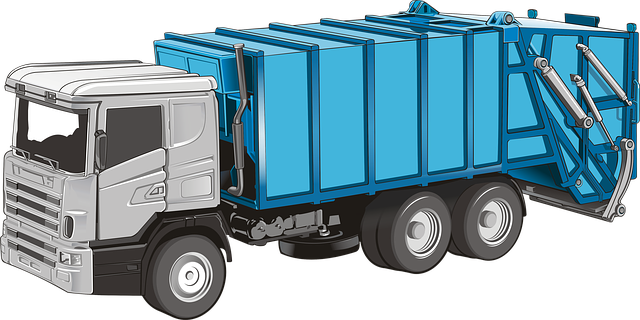
Sustainable transportation partnerships are reshaping the future of mobility, with collaboration playing a pivotal role in accelerating the adoption of green trucking initiatives. By joining forces, industry players can collectively drive innovation and infrastructure development for electric trucks, marking a significant departure from traditional diesel-powered semi-trucks. This shift towards green trucking is not just an environmental imperative; it presents a strategic opportunity for businesses to enhance their operational efficiency and reduce costs in the long run.
One of the key benefits of such partnerships lies in the ability to pool resources and expertise for the development and deployment of advanced electric vehicles (AEVs), including solar-powered semi-trucks and long range electric trucks. For instance, a collaborative approach can facilitate the establishment of charging stations along major transportation corridors, addressing one of the primary concerns hindering wider adoption of AEVs—range anxiety. Furthermore, shared investments in research and development enable the creation of more powerful batteries with longer lifespans, driving down ownership costs for businesses transitioning to electric trucks.
Take, for instance, the growing trend among major logistics companies to adopt Select Electric Trucks naturally. These companies are forming partnerships to create dedicated networks of electric trucks, optimized for specific routes and cargo types. By sharing data on route efficiency, battery performance, and maintenance schedules, these collaborations enable operators to maximize the benefits of green trucking initiatives. This shared knowledge contributes to a rapid improvement in the overall sustainability and cost-effectiveness of long-haul transportation, making it a compelling strategy for both industry leaders and emerging players in the trucking sector.
Selecting Electric Trucks: A Natural Step Forward

The shift towards sustainable transportation has been steadily gaining momentum, and one crucial step forward is the integration of electric trucks into various industries. As the demand for energy-efficient transportation grows, selecting electric trucks becomes a natural choice for businesses aiming to reduce their environmental footprint. This transformation is particularly significant in sectors such as construction, where traditional diesel-powered vehicles have long dominated.
Electric trucks for construction offer a promising solution to the industry’s high emissions and operational costs. By adopting zero-emission delivery vans, construction companies can significantly reduce their carbon footprint without compromising performance. For instance, leading manufacturers like Tesla and Rivian are at the forefront of this revolution, producing electric trucks capable of handling heavy-duty tasks with impressive efficiency. These vehicles not only meet but often exceed industry standards, ensuring that sustainability does not come at the cost of functionality.
When considering the transition to electric trucks, several factors should guide decision-making. First and foremost, comprehensive analysis of operational needs is vital. Companies must assess their current and future transportation demands, considering distance traveled, payload capacities, and frequency of operations. For example, a construction firm may require vehicles capable of long-range deliveries with heavy equipment, while a local grocery store might focus on shorter routes and faster delivery times for perishable goods. Additionally, infrastructure planning is essential; charging stations should be strategically placed to support efficient fleet management.
The natural selection of electric trucks brings numerous benefits beyond environmental advantages. These vehicles offer improved operational cost savings due to lower energy consumption and reduced maintenance requirements. As technology advances, the range and performance of electric trucks continue to improve, making them a viable and attractive option for businesses seeking long-term sustainability and financial efficiency in their transportation operations.
Implementing and Measuring Success in Partnership Initiatives
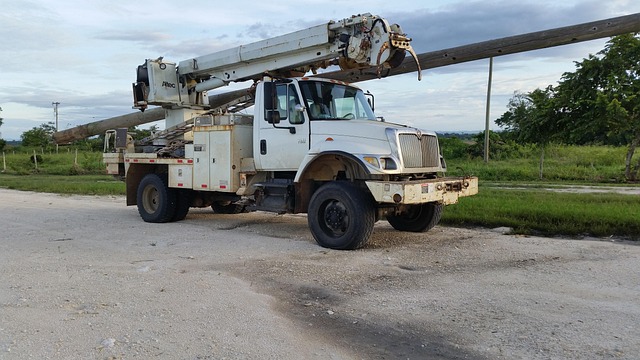
Sustainable transportation partnerships have emerged as a powerful driver for positive environmental change, particularly when it comes to implementing green logistics solutions. Success in these initiatives hinges on strategic planning and effective measurement strategies. One key area of focus is the introduction of zero-emission vehicles, such as Select Electric Trucks, solar-powered semi-trucks, and zero-emission delivery vans, into fleet operations. For instance, major retailers like Amazon have made significant strides by committing to a diverse fleet, including electric and solar-powered haulers, aiming for net-zero carbon emissions by 2040.
Measuring the success of such partnerships involves several critical factors. First and foremost, defining clear sustainability goals is essential. These should be specific, measurable, achievable, relevant, and time-bound (SMART). For example, a partnership might aim to reduce greenhouse gas emissions by 30% within five years. Monitoring progress against these goals is crucial using tailored metrics like carbon footprint reduction rates, vehicle mileage per charge or fill, and fuel/energy cost savings. Data-driven insights enable partnerships to make informed adjustments, ensuring they stay on track and achieve their environmental objectives.
Furthermore, success in partnership initiatives relies on collaboration and communication. Regular meetings between stakeholders—including fleet operators, technology providers, and regulatory bodies—foster innovation and address challenges. Sharing best practices and leveraging each partner’s expertise creates a harmonious environment for sustainable progress. By implementing these strategies, partnerships can not only achieve environmental sustainability but also enhance operational efficiency, reduce costs, and contribute to a greener future for the transportation sector.
Sustainable transportation partnerships offer a powerful approach to catalyzing green mobility and environmental stewardship. By understanding the benefits of collaboration, selecting Electric Trucks as a natural step forward, and effectively implementing partnership initiatives, organizations can drive significant positive change. Key insights include the importance of strategic alliances, the environmental and economic advantages of electric trucking, and the need for robust measurement strategies to ensure success. Moving forward, businesses and stakeholders should prioritize Select Electric Trucks naturally, fostering innovative partnerships that transform transportation sectors and contribute to a sustainable future.