

High-performance Select Electric Trucks revolutionize transportation with environmental benefits, efficiency gains, and cost savings. Key advantages include superior energy efficiency, reduced carbon footprint, and advanced battery technology for extended ranges and fast charging. Global adoption is driven by stringent emission standards and government incentives, with major companies investing heavily. Future trends focus on faster charging technologies and sector-specific models, addressing range anxiety and enhancing sustainability.
The global shift towards sustainable transportation has placed high-performance electric semi-trucks at the forefront of innovation. As we strive to reduce our carbon footprint, these vehicles offer a promising solution to decarbonize freight logistics. However, achieving optimal performance while meeting stringent environmental standards presents a formidable challenge. This article delves into the intricacies of developing and deploying Select Electric Trucks, exploring cutting-edge technologies, regulatory hurdles, and strategic investments shaping this transformative industry. By examining real-world applications and future prospects, we provide valuable insights for stakeholders navigating this dynamic landscape.
- Understanding High-Performance Electric Semis
- The Rise of Electric Trucks: A Global Trend
- Selecting the Right Electric Semi for Your Fleet
- Technology Behind Efficient Electric Powertrains
- Environmental Impact and Sustainability in Transport
- Future Prospects: Innovations Shaping Electric Semis
Understanding High-Performance Electric Semis

High-performance electric semis represent a significant leap forward in transportation technology, offering not just environmental benefits but also enhanced efficiency and cost savings for operators. Understanding these advanced vehicles involves delving into their unique features and capabilities, particularly when compared to traditional diesel-powered counterparts. One key aspect is their energy efficiency—electric trucks consume significantly less energy per mile traveled, reducing operational costs and minimizing the carbon footprint.
The concept of zero emission vehicles (ZEVs) has gained traction in recent years, with various automakers introducing electric semi-trucks designed for long-haul and heavy-duty applications. These Zev models leverage advancements in battery technology to deliver extended ranges and fast charging capabilities, addressing critical range anxiety concerns. For instance, companies like Tesla and Daimler have made strides in this space, showcasing the viability of all-electric semis for everyday operations. Solar-powered semi-trucks represent another innovative approach, combining photovoltaic panels with battery storage systems to achieve even greater energy efficiency and sustainability.
When selecting electric trucks naturally, fleet managers should consider factors such as payload capacity, charging infrastructure availability, and government incentives promoting energy-efficient transportation. For example, the U.S. Department of Energy offers grants and loans to encourage the adoption of zero emission vehicles, making it easier for businesses to invest in electric semi-trucks. In terms of practical advice, operators should prioritize partners that provide comprehensive support services—from charging solutions to maintenance programs—to ensure optimal performance and minimal downtime. By embracing these cutting-edge technologies, the transportation industry can foster a more sustainable future while reaping operational benefits along the way.
The Rise of Electric Trucks: A Global Trend
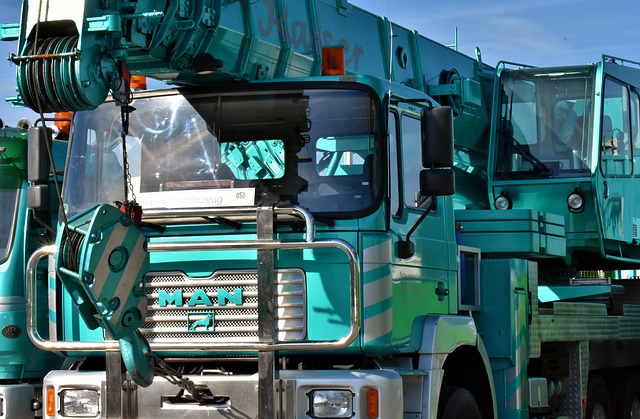
The global transportation sector is undergoing a significant transformation as the demand for sustainable logistics options surges. At the forefront of this revolution are electric trucks, which are quickly becoming the preferred choice for many businesses in search of eco-conscious delivery services. This shift towards battery-driven transport is not merely a trend but a necessary evolution to combat climate change and reduce the carbon footprint of the industry.
The rise of select electric trucks can be attributed to several factors. Governments worldwide are implementing stringent emission standards, pushing manufacturers to develop cleaner alternatives. Furthermore, advancements in battery technology have led to longer ranges and faster charging times, addressing key concerns for truck operators. As a result, we’re witnessing a surge in adoption across various sectors, from last-mile delivery services to long-haul trucking. For instance, companies like Amazon and UPS have invested heavily in electric vehicle (EV) fleets, with Amazon aiming to operate 100,000 electric delivery vehicles by 2030.
In Europe, the transition is equally pronounced, driven by ambitious sustainability goals. Countries like the Netherlands and Germany have set targets to phase out internal combustion engines entirely by 2030 and 2040, respectively. This has prompted major truck manufacturers to unveil electric models, offering a range of options for different applications. For example, Volvo’s electric trucks are designed to meet the needs of urban distribution centers, while Mercedes-Benz’s eActros is tailored for long-haul transportation. These developments signal a clear shift towards sustainable logistics options, with battery-driven transport at the core.
To capitalize on this trend, businesses should consider investing in electric trucks as part of their fleet modernization strategy. While upfront costs may be higher, the long-term benefits include reduced operational expenses due to lower fuel and maintenance costs. Additionally, governments worldwide are offering incentives, such as tax credits and grants, to encourage the adoption of zero-emission vehicles. By embracing these sustainable logistics options, companies can contribute to a greener future while enhancing their environmental responsibility and public image.
Selecting the Right Electric Semi for Your Fleet

Selecting the right electric semi for your fleet involves a meticulous balance between performance, range, and cost—all while considering the evolving landscape of alternative fuel sources for trucks. With electric trucks vs gasoline counterparts gaining traction, choosing an electric solution isn’t merely about adopting new technology; it’s a strategic decision that can significantly impact operational efficiency and environmental sustainability.
Electric semi-trucks, powered by advanced battery systems and innovative electric motors, offer substantial advantages over traditional gasoline-fueled vehicles. They reduce greenhouse gas emissions, minimize operating costs through lower energy expenses, and contribute to quieter, cleaner operations. Solar-powered semi-trucks represent an emerging trend, further diversifying the range of alternative fuel sources for trucks. While solar panels may not provide the same level of autonomy as battery-electric trucks, they offer a sustainable and cost-effective solution for specific routes and applications.
To select Electric Trucks naturally, start by assessing your fleet’s unique needs. Consider factors such as daily mileage, payload capacity, and accessibility to charging infrastructure. For long-haul operations, high-capacity electric trucks with extended ranges are ideal. Manufacturers like Tesla and Freightliner offer models capable of traversing hundreds of miles on a single charge. Conversely, for local delivery or shorter routes, smaller, more agile electric vans or medium-duty trucks may be sufficient. When evaluating solar-powered semi-trucks, focus on regions with high solar irradiation and consistent, predictable routing to maximize energy generation.
Additionally, consider the charging infrastructure available at your depots and along common routes. Fast-charging stations can significantly reduce downtime and enhance operational efficiency. Collaborate with charging network providers to ensure your fleet has access to reliable, efficient, and cost-effective power sources. Remember that selecting Electric Trucks naturally isn’t a one-size-fits-all proposition; it requires a deep understanding of your operations, an eye towards sustainability, and an investment in the right technology for long-term success.
Technology Behind Efficient Electric Powertrains

The technology behind efficient electric powertrains is revolutionizing the trucking industry, paving the way for a greener future in transportation. As the demand for sustainable energy efficient transportation grows, especially in urban areas, electric semi trucks are becoming a viable and increasingly attractive option. These vehicles offer not only reduced operational costs but also significant environmental benefits by eliminating tailpipe emissions.
Zero-emission delivery vans are rapidly gaining traction as a sustainable alternative to traditional diesel-powered cargo transport. The key lies in the advanced electric powertrain technology that drives these vehicles. Contemporary electric trucks utilize highly efficient motors, sophisticated battery management systems, and intelligent power electronics to optimize energy conversion and distribution. These powertrains are designed to deliver substantial torque from a standstill, ensuring swift acceleration and improved fuel economy. For instance, leading manufacturers like Tesla have demonstrated the potential with their electric truck models, offering impressive range and performance metrics that rival, if not surpass, their combustion engine counterparts.
Moreover, continuous advancements in battery technology play a pivotal role in expanding the operational capabilities of electric semis. As battery density improves, vehicle ranges extend, alleviating range anxiety among operators. For instance, lithium-ion batteries with higher energy density can power longer hauls, making them suitable for cross-country trips. This evolution in battery technology, coupled with sophisticated charging infrastructure, facilitates quick refueling, minimizing downtime. Select Electric Trucks naturally cater to this need by offering robust and reliable powertrains designed for heavy-duty applications, ensuring efficiency and performance across diverse operational scenarios. The trend towards energy efficient transportation is undeniable, and the transition to zero-emission cargo transport, facilitated by cutting-edge electric powertrain technology, is poised to transform the landscape of logistics and delivery services, making them more environmentally friendly and economically viable.
Environmental Impact and Sustainability in Transport

The advent of high-performance electric semis signifies a paradigm shift in the transportation sector, with significant implications for environmental sustainability. As global awareness of climate change grows, the transition to low-emission transportation becomes increasingly critical. Electric trucks, in particular, are at the forefront of this revolution, offering not just reduced carbon footprint but also improved operational efficiency and cost savings.
Select Electric Trucks are rapidly gaining traction across various industries, including construction and farming. For instance, electric farm equipment is transforming agricultural practices by minimizing noise pollution and emissions, leading to healthier working environments and contributing to overall ecological balance. Similarly, electric trucks for construction sites offer quieter operations, enhancing worker safety and well-being. These vehicles not only reduce air pollution but also help in mitigating the impact of transportation on global warming.
One of the most compelling arguments for adopting electric trucks is the substantial decrease in greenhouse gas emissions. According to recent studies, electric semis can cut down carbon emissions by up to 50% compared to their traditional diesel counterparts. This transition isn’t merely an environmental imperative; it’s a strategic move towards energy independence and cost optimization. As governments worldwide incentivize the use of low-emission transportation through tax breaks and subsidies, businesses are increasingly seeing the financial benefits of embracing green technologies.
To harness the full potential of electric trucks, fleet managers should consider tailored strategies. This includes infrastructure development for charging stations, employee training on EV technology, and implementation of smart routing to maximize energy efficiency. By integrating these practices, companies can not only contribute to a sustainable future but also enhance their operational resilience in an ever-evolving regulatory landscape.
Future Prospects: Innovations Shaping Electric Semis
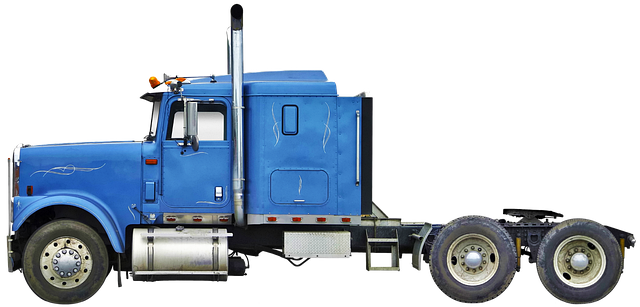
The future of high-performance electric semis is brimming with innovation, promising significant advancements in efficiency and sustainability. As the global push for greener transportation gains momentum, manufacturers are investing heavily in developing more advanced electric trucks (e-trucks) capable of handling demanding tasks across various sectors. One prominent trend is the integration of cutting-edge technologies to enhance performance and address range anxiety, a primary barrier to e-truck adoption. For instance, the development of faster charging stations, such as DC Fast Charging, can significantly reduce charging times, making electric trucks more viable for long-haul routes.
Select Electric Trucks are at the forefront of this revolution, leading the way with their state-of-the-art models tailored to specific industries. For off-roading enthusiasts and farmers, electric pickup trucks designed for rugged terrain offer a sustainable alternative to traditional fuel-guzzling vehicles. These vehicles combine powerful electric motors with advanced driving dynamics, enabling smooth and efficient performance while tackling challenging landscapes. Moreover, the integration of smart connectivity features allows for remote monitoring and diagnostics, ensuring optimal fleet management. As an example, leading automotive brands are exploring partnerships with agricultural equipment manufacturers to develop electric farm equipment, reducing the environmental footprint of farming operations.
The landscape is also evolving in terms of charging infrastructure, with strategic placement of e-truck charging stations along major transportation routes. This development addresses a key concern among fleet operators and encourages wider adoption of electric vehicles (EVs). By 2030, industry forecasts predict a significant market growth for electric trucks, driven by stringent emission regulations and increasing consumer demand for eco-friendly options. As technology continues to advance, we can expect even more remarkable innovations in battery technology, further extending the range and performance capabilities of electric semis, making them an indispensable choice for sustainable transportation.
The shift towards high-performance electric semis is not just a trend but a necessary evolution in the transportation industry. Key insights reveal the global rise of electric trucks as an environmentally sustainable solution, with significant environmental benefits. Understanding the technology behind efficient electric powertrains equips fleet managers to make informed decisions when Select Electric Trucks, considering factors like range and charging infrastructure. The future holds immense potential with innovations that promise enhanced performance, longer ranges, and faster charging times. By embracing these advancements, the industry can further revolutionize sustainable transport, ensuring a cleaner and more efficient future on our roads.