

Business operations can transition to sustainable green practices by selecting electric trucks and developing holistic transportation networks. This shift reduces environmental impact, enhances efficiency, and lowers costs. Key strategies include assessing energy usage, optimizing routes, integrating renewable energy, and offering incentives for eco-friendly choices. By adopting electric trucking, businesses contribute to significant emission reductions, gain a competitive edge, and position themselves as sustainability leaders.
In today’s world, businesses are increasingly recognizing the need to adopt sustainable practices for environmental stewardship and cost efficiency. Powering your operations with renewable energy is a pivotal step towards a greener future. However, transitioning to clean energy sources presents challenges, particularly in transportation, where fossil fuels have long dominated. Enter Select Electric Trucks: a cutting-edge solution designed to revolutionize the industry.
This article delves into how businesses can leverage advanced electric truck technology to reduce carbon footprints, cut operational costs, and contribute to a sustainable future. We explore the benefits, discuss implementation strategies, and provide insights from industry experts to guide your journey towards a greener business model.
- Understanding Green Powering for Business
- Benefits of Adopting Electric Trucks Naturally
- Assessing Your Company's Energy Consumption
- Strategies to Transition to Renewable Energy
- Selecting the Right Electric Truck Models
- Implementing and Monitoring Sustainable Practices
Understanding Green Powering for Business

Powering your business green requires a strategic approach to sustainability, especially in sectors like delivery services where fleets are a core operation. Understanding green powering involves more than just adopting electric vehicles; it’s about optimizing eco-conscious transportation networks and integrating renewable energy solutions. For businesses looking to lead by example, selecting electric trucks should be a natural step forward.
Electric battery range comparison is a crucial factor in this transition. Modern electric vehicles (EVs) offer improved ranges, making them suitable for various applications, including delivery services. For instance, some top-tier electric vans and trucks can travel hundreds of miles on a single charge, rivaling traditional fuel efficiency while significantly reducing emissions. Companies like Amazon have already rolled out eco-conscious delivery fleets, demonstrating that green powering is not just an environmental responsibility but also a strategic business move.
Sustainable transportation networks are the backbone of successful green initiatives. Businesses can collaborate with local authorities and other industry players to develop efficient routes, optimize stop schedules, and integrate renewable energy at charging stations. This holistic approach ensures that the shift to electric trucks isn’t just about the vehicles themselves but also about creating a supportive infrastructure. By investing in these networks, businesses contribute to broader environmental goals while enhancing their operational efficiency and reducing costs associated with traditional fuel sources.
In terms of actionable advice, businesses should start by conducting a comprehensive analysis of current transportation needs. Identify areas where electric trucks can be introduced without compromising service quality or increasing costs excessively. Offer incentives for customers who choose eco-friendly delivery options. Partnering with green energy providers to source renewable electricity for charging fleets is another strategic move. These steps not only support the transition but also position businesses as leaders in sustainable practices, fostering goodwill and potentially opening doors to new market opportunities within the growing demand for eco-conscious delivery services.
Benefits of Adopting Electric Trucks Naturally

Adopting electric trucks as a business strategy offers a powerful pathway towards sustainable operations and significant environmental benefits. The transition to green driving solutions like electric vehicles (EVs) is not just an eco-friendly choice but also presents tangible advantages for companies aiming to reduce their carbon footprint. One of the most prominent advantages lies in the operational efficiency and cost savings associated with selecting electric trucks naturally.
Electric trucks, particularly heavy-duty e-trucks, are designed to meet the demands of various industries, from logistics to mining. These vehicles offer impressive performance while significantly reducing greenhouse gas emissions compared to their traditional counterparts. For instance, a study by the International Energy Agency (IEA) revealed that widespread adoption of electric trucks could lead to a 15% reduction in transportation-related emissions by 2040. This shift towards e-truck charging stations and green driving practices is not only beneficial for the environment but also has economic implications. Businesses can expect lower operational costs due to reduced fuel expenses and decreased maintenance requirements, as electric motors have fewer moving parts than internal combustion engines.
Furthermore, investing in electric trucks demonstrates a commitment to long-term sustainability goals. As governments worldwide implement stricter emission standards, businesses that have already made the transition are better positioned to adapt and avoid potential penalties. By selecting electric trucks naturally, companies contribute to the development of a more robust e-mobility ecosystem, fostering innovation and creating a network of charging stations tailored for heavy-duty vehicles. This strategic move not only supports the environment but also ensures businesses remain competitive in an increasingly eco-conscious market.
Assessing Your Company's Energy Consumption
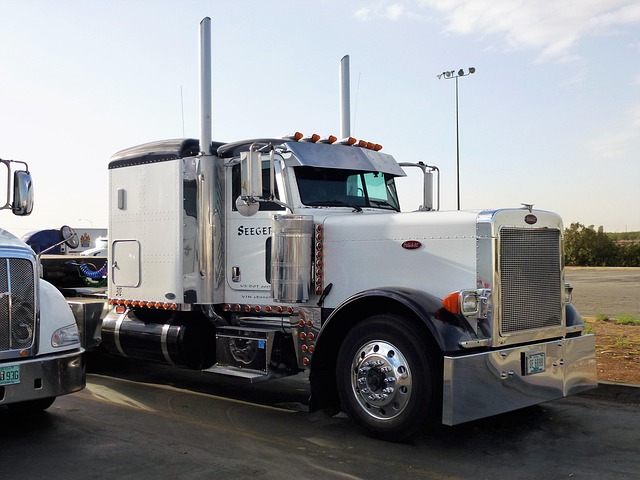
Powering your business green involves a deep dive into understanding and managing your company’s energy consumption. This process begins with assessing your current energy usage patterns, identifying inefficiencies, and setting achievable sustainability goals. By evaluating your business operations, you can pinpoint areas where transitioning to low emission transportation, such as electric trucks, offers significant benefits.
One critical aspect to focus on is the adoption of long range electric trucks. These vehicles are designed with advanced electric battery technology, enabling them to travel substantial distances without relying on fossil fuels. When comparing electric truck models, consider factors like battery range, charging infrastructure requirements, and overall vehicle efficiency. For instance, modern long-range electric trucks can offer ranges exceeding 300 miles on a single charge—a stark contrast to the initial limitations of shorter battery life. This advancement makes them viable alternatives for various industries, including logistics, delivery services, and manufacturing.
To ensure a smooth transition, conduct a comprehensive energy audit to analyze your company’s carbon footprint. Data-driven insights will help you make informed decisions about which electric trucks best suit your needs. For example, if your operations involve frequent long-distance hauls, selecting trucks with extended electric battery ranges becomes paramount. Moreover, consider the environmental and economic advantages of low emission transportation. Long range electric trucks not only reduce greenhouse gas emissions but also contribute to air quality improvement in urban areas, where hustle and bustle often characterize business activities.
By incorporating these strategies, businesses can significantly decrease their carbon footprint while enhancing operational efficiency. Remember that each company’s journey towards sustainability is unique, so tailoring solutions to fit specific needs is essential. Staying informed about the latest advancements in electric vehicle technology and battery range capabilities will empower your business to make sustainable choices that drive positive environmental change.
Strategies to Transition to Renewable Energy

Transitioning your business to renewable energy is not just an environmental responsibility; it’s a strategic move towards long-term sustainability and cost savings. One key area to focus on is logistics, particularly fleet management. Choosing electric trucks is a natural step in this direction, offering both environmental benefits and operational advantages. For instance, companies like Amazon have already made significant strides by introducing zero-emission delivery vans, demonstrating that sustainable logistics options are not just viable but essential for the future of the industry.
A comprehensive strategy involves a multi-faceted approach. Firstly, assess your current fleet’s energy consumption and identify areas for improvement. Consider the total cost of ownership (TCO) when selecting new vehicles; electric trucks may have higher upfront costs, but they significantly reduce operational expenses over time. Secondly, implement a phased transition plan to manage costs and ensure smooth operations. This could involve replacing older vehicles first or introducing electric options alongside conventional ones. For instance, a logistics company might introduce a mix of electric and hybrid vans while phasing out diesel-powered models.
Moreover, explore incentives and support available for adopting green technologies. Many governments offer subsidies and tax benefits to encourage the use of zero-emission delivery vans and sustainable fleet management practices. Collaborating with expert consultants or industry associations can also provide valuable insights into best practices. By embracing environmentally friendly fleet solutions, businesses not only contribute to a cleaner environment but also position themselves as responsible corporate citizens, enhancing their public image and potentially gaining a competitive edge in an increasingly conscious market.
Selecting the Right Electric Truck Models

Selecting the right electric truck models is a pivotal step in adopting green fleet solutions, particularly for businesses aiming to reduce their environmental footprint. As the market for sustainable transportation expands, an array of electric vehicles (EVs) enters the scene, each offering unique features and capabilities. When considering electric trucks, it’s essential to look beyond the standard options and explore innovative alternatives like solar-powered haulers and semi-trucks. These cutting-edge solutions promise not only significant emissions reductions but also operational cost savings over time.
For instance, companies like Tesla have made strides in this space with their all-electric semi-trucks, showcasing advanced battery technology and autonomous driving capabilities. Similarly, start-ups are introducing solar-powered haulers, leveraging the sun’s energy to significantly decrease reliance on fossil fuels. These advancements offer businesses a chance to lead by example in sustainable practices while reaping the benefits of reduced fuel costs and lower maintenance expenses. When selecting electric trucks, several factors come into play. First and foremost is range: ensuring the truck can navigate your typical routes without frequent charging interruptions. Second, payload capacity must align with your operational needs, as this will determine the overall efficiency of the vehicle.
Moreover, businesses should consider infrastructure support, including charging stations at various locations and the time required to recharge batteries versus traditional fuel replenishment. Data from industry analysts indicates that companies adopting green fleet solutions report a 30% reduction in carbon emissions on average, with some even achieving complete carbon neutrality. To maximize these benefits, experts advise pairing electric trucks with renewable energy sources like solar power. This approach not only enhances environmental sustainability but also provides resilience against fluctuating fossil fuel prices, making it a strategic and economical decision for forward-thinking businesses.
Implementing and Monitoring Sustainable Practices

Powering your business green involves a strategic shift towards sustainable practices, particularly within logistics and trucking. As the future of electric trucking gains momentum, embracing green logistics companies is no longer an option but a necessity. The environmental benefits of transitioning to electric trucks, such as reduced greenhouse gas emissions, are undeniable. Moreover, advancements in battery technology have made these vehicles more efficient and cost-effective than ever before.
One prominent example is the rise of e-bicycles for goods transportation in urban areas. Cities like Amsterdam and Berlin have successfully implemented green logistics solutions using electric bikes to deliver everything from groceries to packages. This not only reduces carbon emissions but also helps alleviate traffic congestion. For larger fleets, selecting electric trucks naturally is a strategic decision that aligns with long-term sustainability goals. Leading manufacturers are now offering heavy-duty electric trucks capable of handling long-distance hauls, further cementing their place in the future of electric trucking.
Implementing sustainable practices requires meticulous planning and monitoring. Businesses should conduct comprehensive audits to identify areas for improvement and set realistic targets. Monitoring systems that track energy consumption, emissions, and cost savings can help gauge the effectiveness of these changes. For instance, companies like Tesla offer advanced telematics solutions that provide real-time data on vehicle performance and driver behavior, enabling managers to optimize operations and reduce environmental impact further. Regular reviews and adjustments based on this data are crucial for maintaining momentum and achieving meaningful results in your green logistics journey.
By understanding the benefits of green powering and adopting electric trucks naturally, businesses can significantly reduce their carbon footprint. Assessing energy consumption is a crucial first step, enabling companies to identify areas for improvement and transition towards renewable energy sources effectively. The article highlights various strategies, from selecting suitable electric truck models to implementing and monitoring sustainable practices, offering a comprehensive roadmap. Key takeaways include the importance of tailored solutions, staying informed about advancements in electric vehicle technology, and fostering a culture of environmental responsibility. Businesses can now take practical steps towards Select Electric Trucks naturally, ensuring a sustainable future while contributing to global eco-friendly initiatives.