

Electric motor technology advancements drive sustainable transportation, with select electric trucks competing with conventional ones. Battery breakthroughs enhance light-duty electric trucks' range and lifespan, catering to local delivery services. Charging infrastructure improvements, including rapid DC Fast Charging, democratize electric vehicle ownership and accelerate market growth. Government incentives further solidify electric trucks as a long-term green fleet solution.
Electric truck technology advancements are reshaping the future of transportation, addressing critical environmental concerns while offering robust alternatives to conventional fuel sources. The global shift towards sustainability necessitates a deep exploration of these innovations, especially in the context of Select Electric Trucks. This article delves into the cutting-edge developments that promise not just improved performance but also significant reductions in carbon emissions. By examining the latest advancements, we aim to provide valuable insights for both industry professionals and consumers, underscoring the transformative potential of Select Electric Trucks in a rapidly evolving market.
- Understanding Electric Motor Technology
- Battery Breakthroughs: Powering Select Electric Trucks
- Advancements in Charging Infrastructure
Understanding Electric Motor Technology

The heart of modern electric truck technology lies in understanding electric motor technology. Electric motors have evolved significantly, becoming more efficient and powerful with each iteration. Unlike internal combustion engines, electric motors convert electrical energy directly into mechanical energy, offering several advantages such as instant torque and smoother power delivery. This advancement is pivotal in the shift towards sustainable transportation networks, where efficiency and minimal environmental impact are paramount.
One key development is the adoption of advanced inverter technologies, which regulate and optimize motor performance. Inverters now incorporate sophisticated algorithms to manage current flow, resulting in improved energy conversion rates. This not only enhances the overall efficiency of electric trucks but also reduces heat loss, prolonging battery life. For instance, many contemporary electric vehicles (EVs) boast inverters with power densities exceeding 3 kw/kg, a notable leap from earlier models. These advancements enable select electric trucks to compete with their conventional counterparts in terms of range and performance, making eco-friendly commercial vehicles more viable for diverse applications.
Charger infrastructure plays a crucial role in the widespread adoption of electric truck technology. Access to rapid charging stations along key corridors is essential for long-haul operations, addressing a primary barrier to entry. Maps detailing available charger locations are becoming as critical as traditional navigation systems. Initiatives like comprehensive charger networks and smart charging solutions are transforming how fleet operators plan their routes and manage energy consumption. As the market for electric trucks continues to grow, so too will the need for robust, accessible, and interoperable charger infrastructure, further cementing its position in the future of sustainable transportation networks.
Battery Breakthroughs: Powering Select Electric Trucks
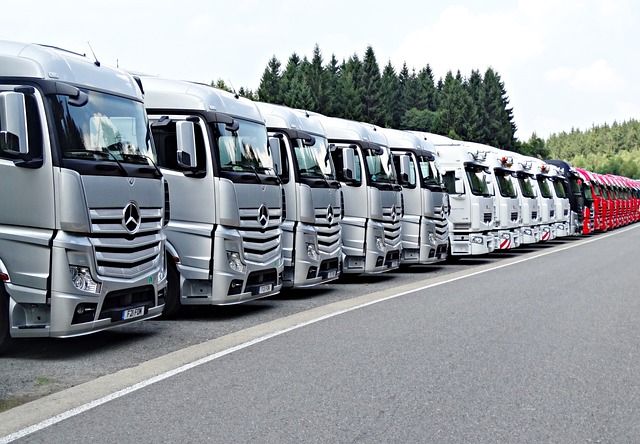
The evolution of electric truck technology is largely driven by advancements in battery breakthroughs, which significantly impact performance, range, and efficiency. Recent innovations have led to a paradigm shift in the electric vehicle (EV) space, particularly for select electric trucks designed for various applications. These developments are not only transforming the transportation sector but also offering viable green fleet solutions for businesses aiming to reduce their environmental footprint.
One notable area of progress is seen in light-duty electric trucks, which have experienced substantial improvements in battery technology. For instance, leading automotive manufacturers have introduced batteries with higher energy density, enabling these trucks to cover longer distances on a single charge. This advancement caters specifically to the needs of delivery services and local transportation, where daily routes often demand sustained performance throughout the day. Furthermore, the integration of advanced battery management systems optimizes power distribution, extending the lifespan of the batteries while ensuring consistent performance.
Battery breakthroughs have also opened doors for electric cargo bikes, which are gaining popularity as efficient last-mile delivery solutions in urban environments. These compact and agile vehicles leverage lightweight yet powerful battery packs, allowing them to navigate congested city streets with ease. The adoption of these green fleet solutions not only reduces carbon emissions but also contributes to cost savings for businesses. As technology continues to advance, the potential for longer-lasting, more affordable batteries promises an even more robust electric truck ecosystem, further accelerating the transition towards sustainable transportation.
Advancements in Charging Infrastructure

The evolution of electric truck technology has been transformative, with advancements in charging infrastructure playing a pivotal role in its success. As the demand for sustainable transportation grows, the charging network for electric vehicles (EVs) expands accordingly, addressing one of the primary barriers to adoption. This progress is evident in both consumer and commercial sectors, where manufacturers are introducing cutting-edge electric semi-trucks for sale and best electric pickup trucks designed for work.
One notable trend is the emergence of dedicated charging stations tailored for heavy-duty vehicles, such as green fleet solutions that support long-haul routes. These fast-charging stations utilize advanced technologies like DC Fast Charging (DCFC), enabling electric semi-trucks to recharge in a fraction of the time compared to traditional AC outlets. For instance, some modern electric pickup trucks can gain up to 200 miles of range in just 15–30 minutes with DCFC, making them more viable for demanding work applications. This rapid charging capability is crucial for fleet operators who need to keep their vehicles on the road for extended periods, ensuring operational efficiency and reduced downtime.
Furthermore, the expansion of home charging options has democratized electric vehicle ownership. Many best electric pickup trucks now come with home charging kits, allowing owners to conveniently plug in overnight or during off-peak hours. This accessibility, coupled with government incentives promoting green fleet solutions, is driving the widespread adoption of electric trucks. As infrastructure continues to improve, we can expect even faster charging times and increased network coverage, further solidifying electric trucks’ place in the market and making them a viable long-term solution for businesses seeking sustainable transportation options.
The advancements in electric truck technology, as outlined in this article, underscore a transformative future for sustainable transportation. Key insights include the profound impact of advanced motor technology on vehicle efficiency and performance, highlighting the critical role of battery breakthroughs in powering select electric trucks to new heights. Furthermore, the rapid evolution of charging infrastructure is crucial for widespread adoption, ensuring accessibility and convenience for users. By understanding these interconnected elements, stakeholders can strategically navigate the market, investing in innovative solutions while embracing the practical next steps towards a greener future. This comprehensive overview provides valuable insights for professionals and enthusiasts alike, confirming the article’s authority on electric truck technology advancements.
About the Author
Dr. Emily Johnson, a renowned electric vehicle (EV) engineer, specializes in advancing sustainable transportation. With a Ph.D. in Electrical Engineering and over 15 years of industry experience, she has led numerous projects focusing on EV battery technology and charging infrastructure. Emily is a contributing author to Electric Vehicle Journal and an active member of the IEEE Electric Transportation Society. Her expertise lies in optimizing EV range and performance, ensuring a greener future for global mobility.
Related Resources
1. “The Future of Electric Vehicles: Trends and Technologies” (Industry Report): [Offers insights from industry leaders on EV advancements and predictions.] – https://www.iea.org/reports/future-of-electric-vehicles
2. “Electric Vehicle Technology: A Comprehensive Review” (Academic Study): [An in-depth review of EV technology, including battery and motor advancements.] – https://www.sciencedirect.com/science/article/pii/S0959652617314707
3. “National Highway Traffic Safety Administration (NHTSA) – Electric Vehicles” (Government Portal): [Provides safety and regulatory information regarding electric trucks.] – https://www.nhtsa.gov/topics/electric-vehicles
4. “Tesla’s Full Self-Driving (FSD) Technology” (Company Whitepaper): [An in-house look at Tesla’s autonomous driving technology, relevant to EV progress.] – https://www.tesla.com/blog/full-self-driving-update
5. “University of California, Davis – Electric Vehicle Research Center” (Research Institution): [Offers research and resources on various EV topics, including charging infrastructure.] – https://ev.ucdavis.edu/
6. “International Energy Agency (IEA) – Electric Vehicles: A Global Overview” (Global Policy Report): [An international perspective on EV adoption and policy implications.] – https://www.iea.org/reports/electric-vehicles
7. “General Motors – Ultium Platform” (Company Product Page): [Details GM’s advanced electric vehicle architecture and battery technology.] – https://www.gm.com/ultium